Bridgewater State College – 1967 – 1st Issue Collage Student Magazine
- At November 15, 2011
- By J Harper
- In People & Places
 0
0
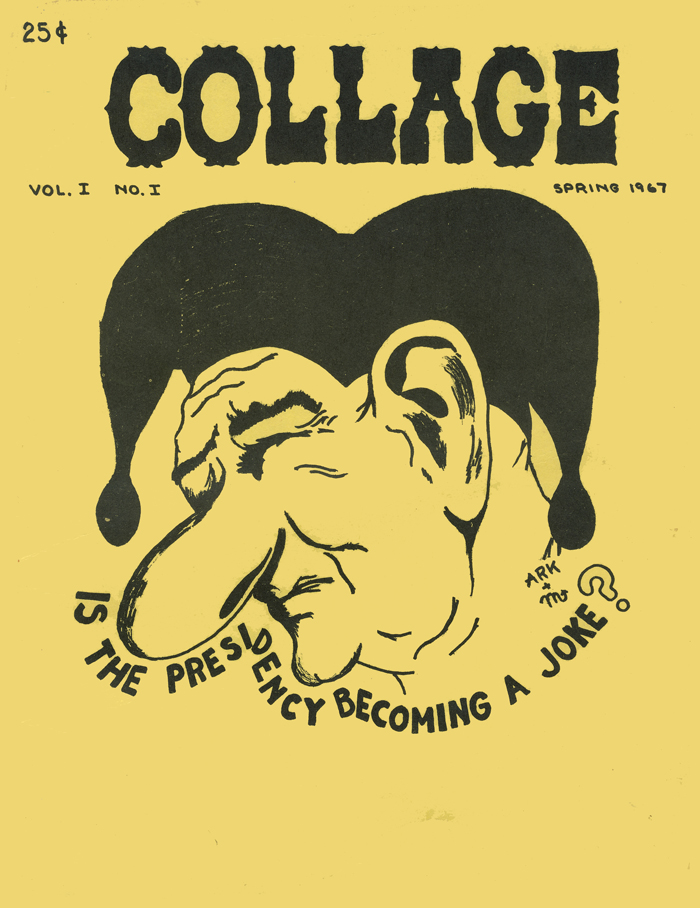
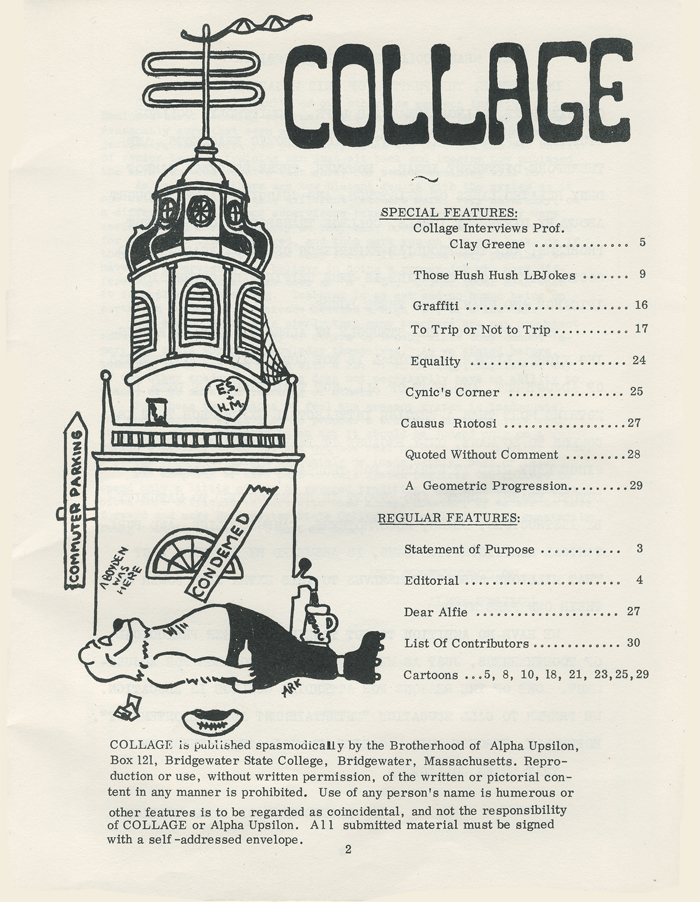
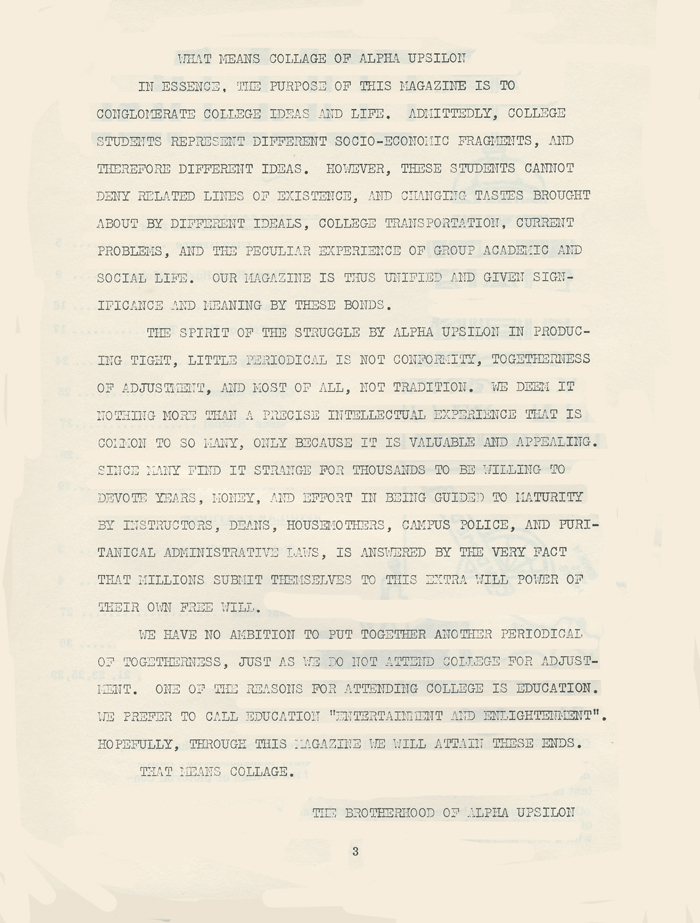
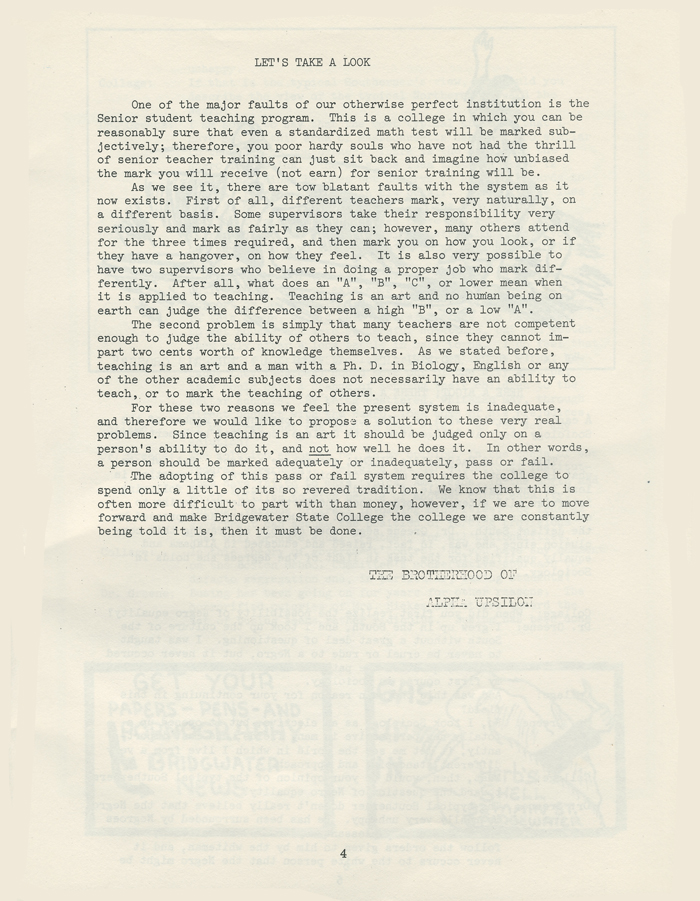
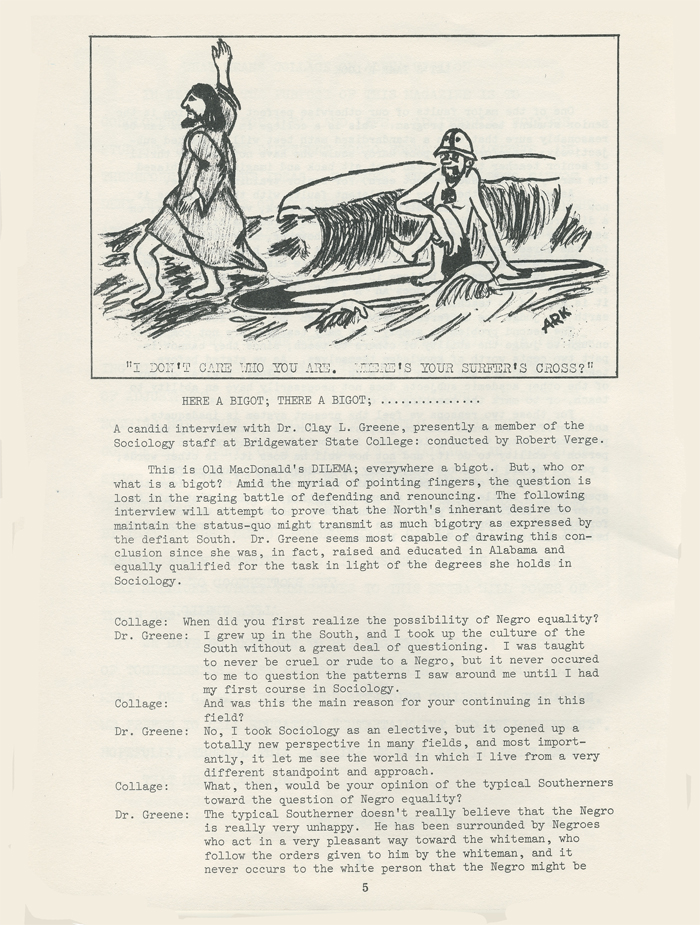
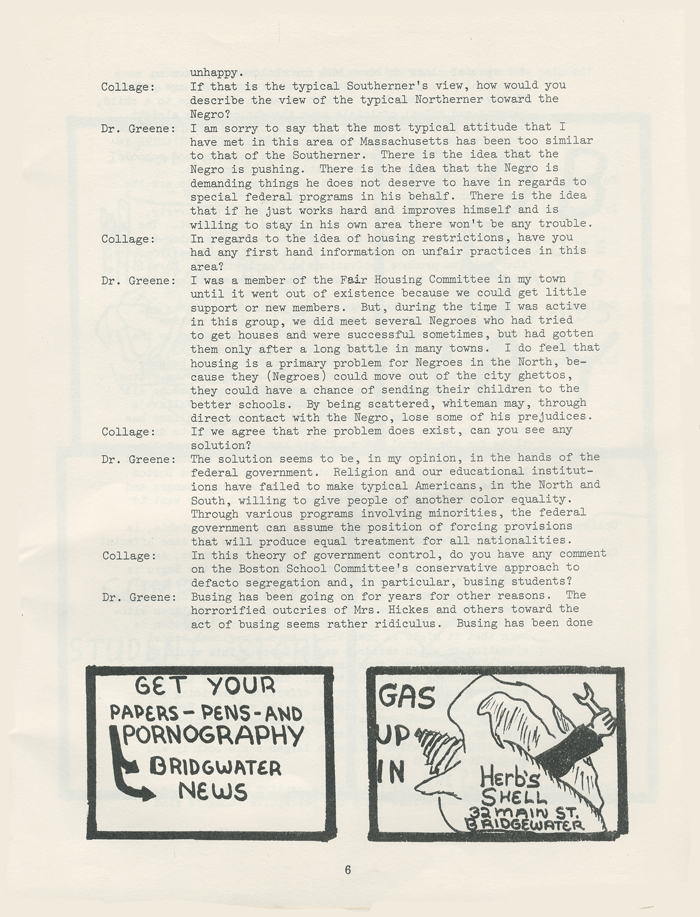
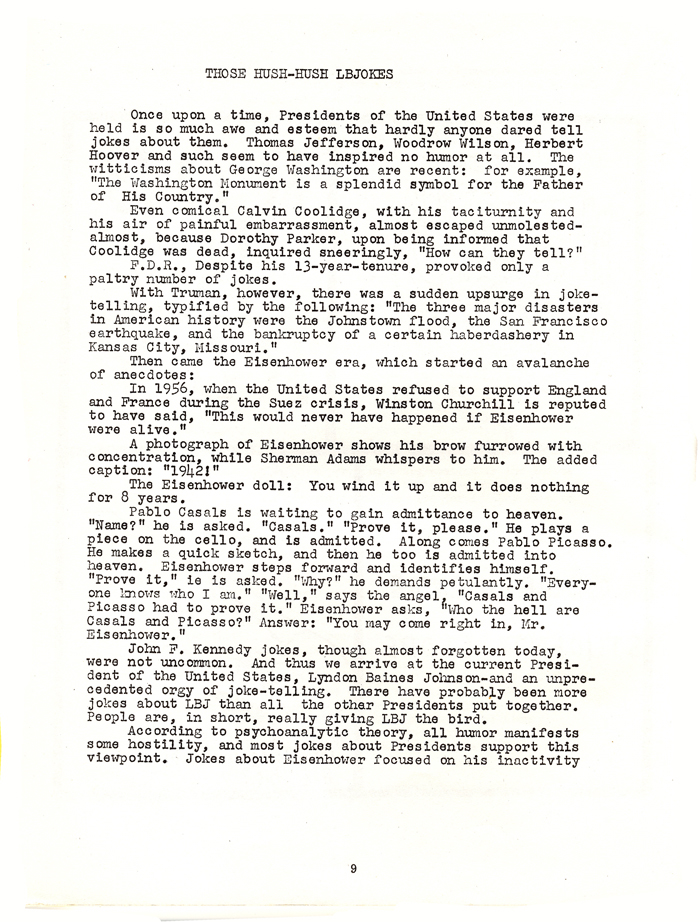
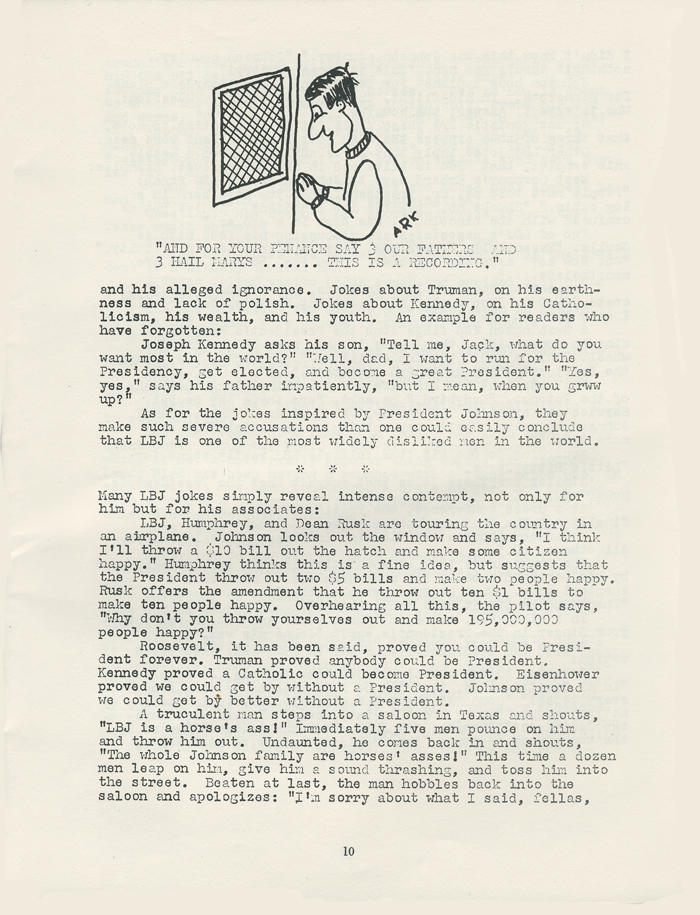
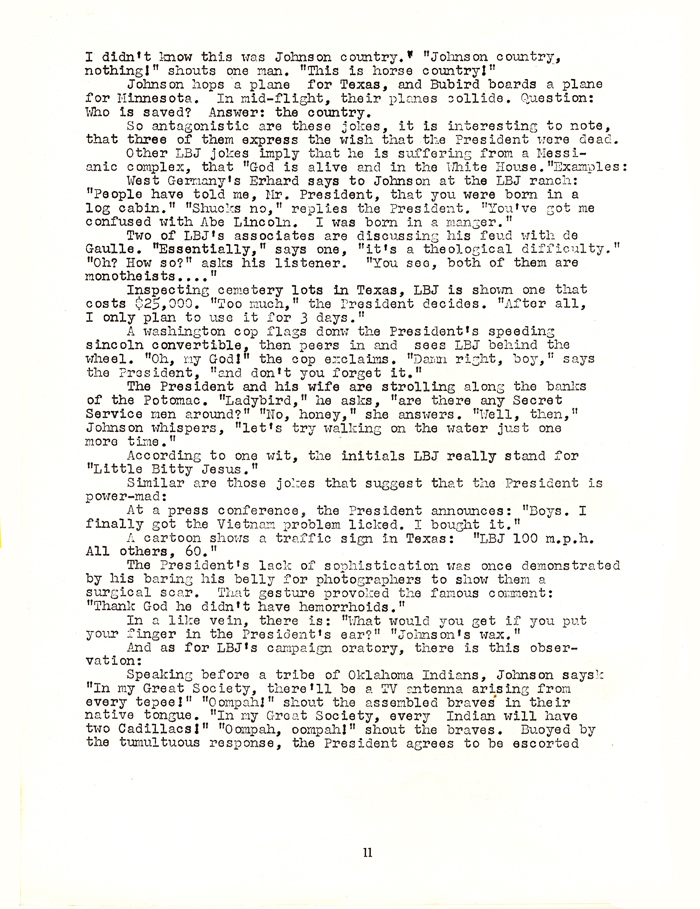
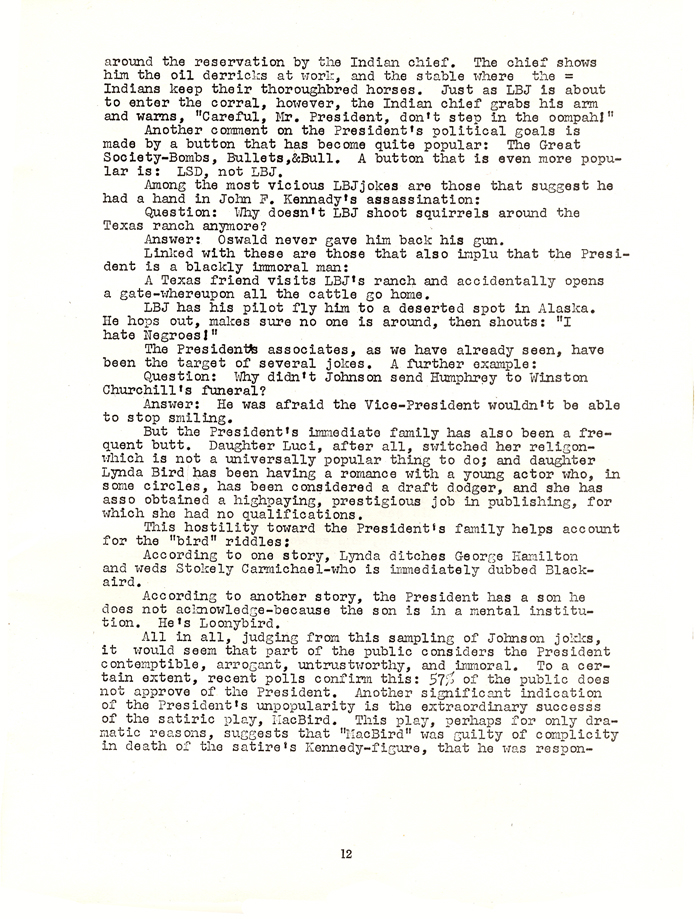
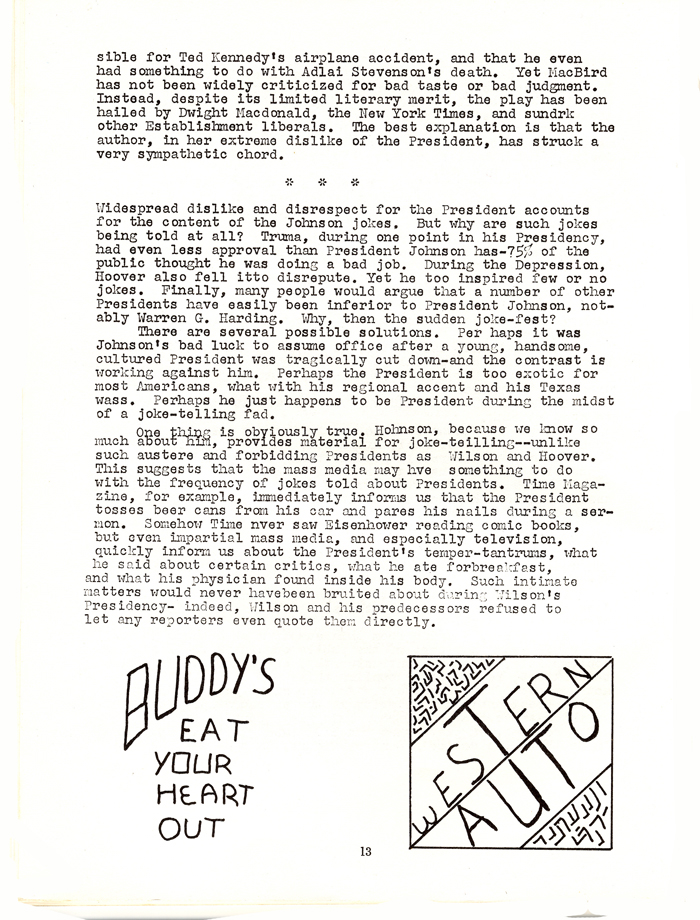
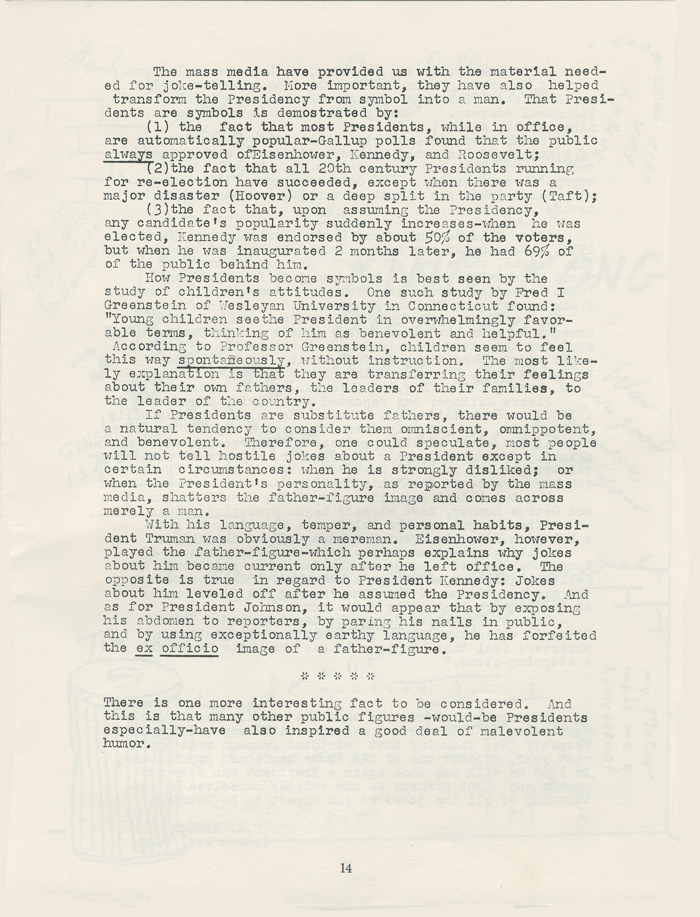
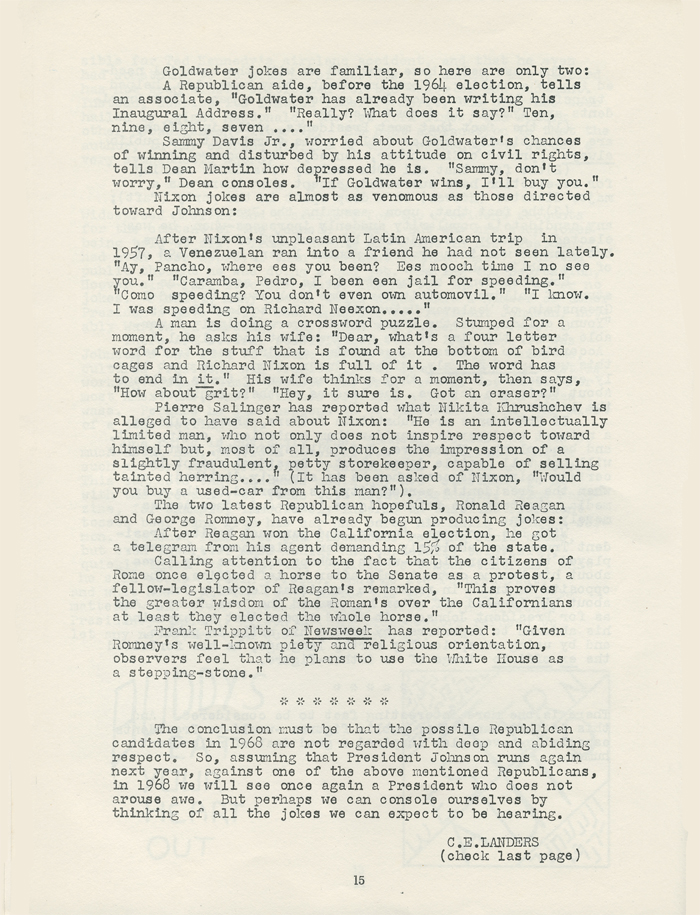
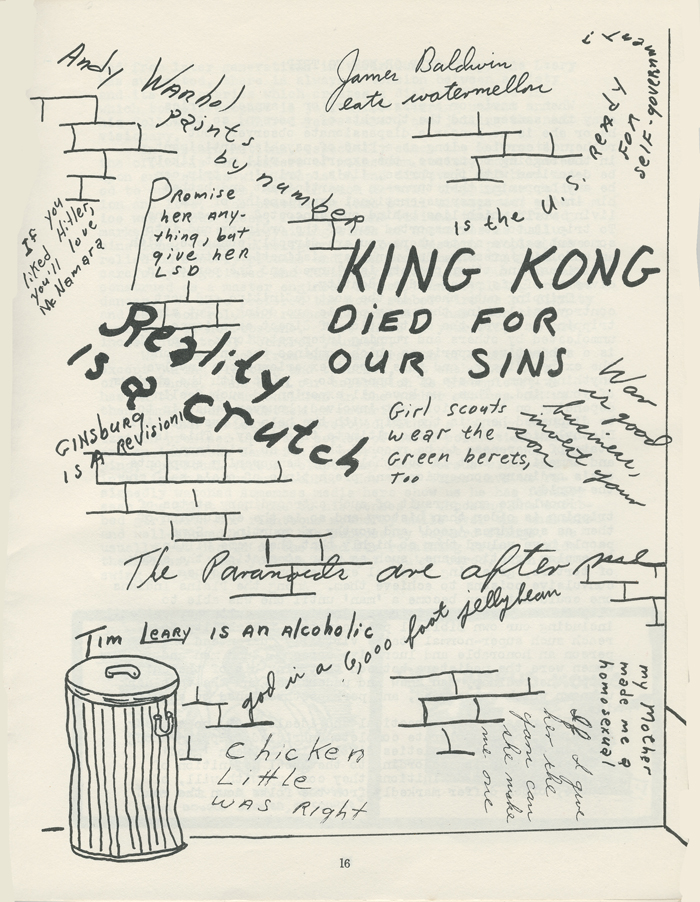
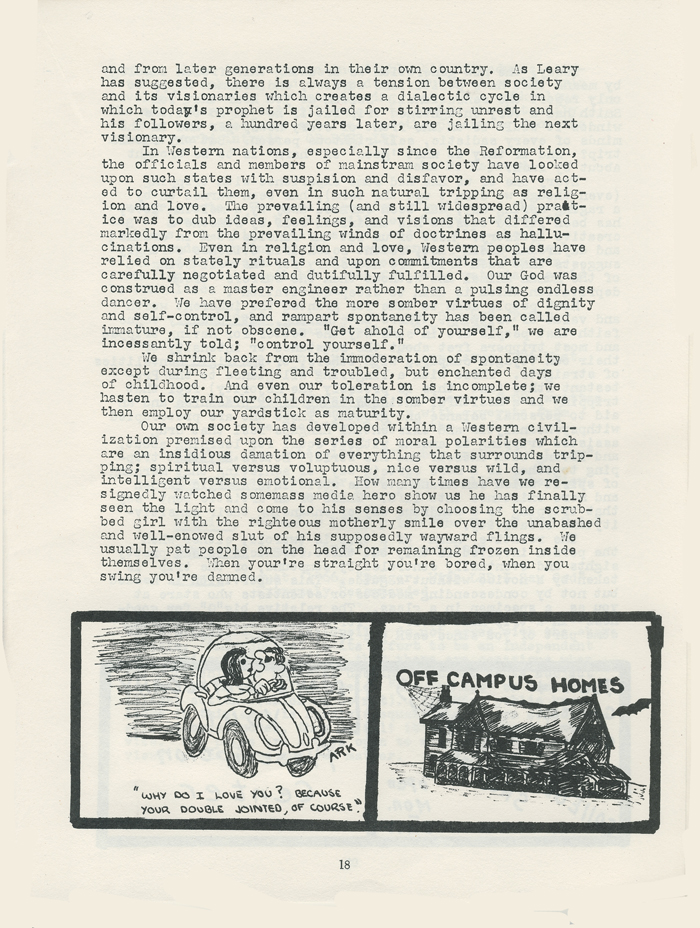
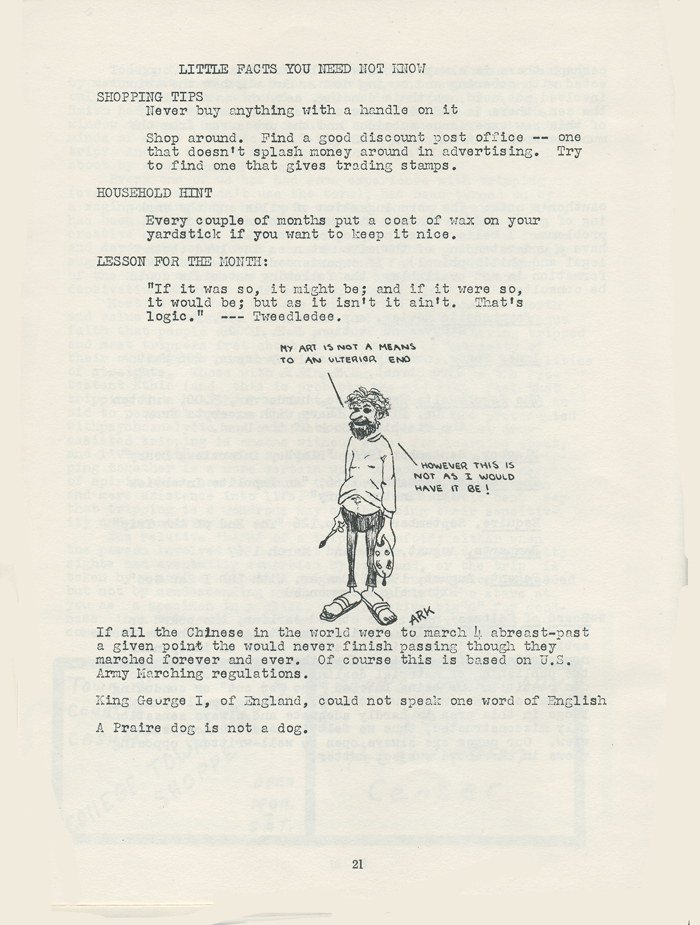
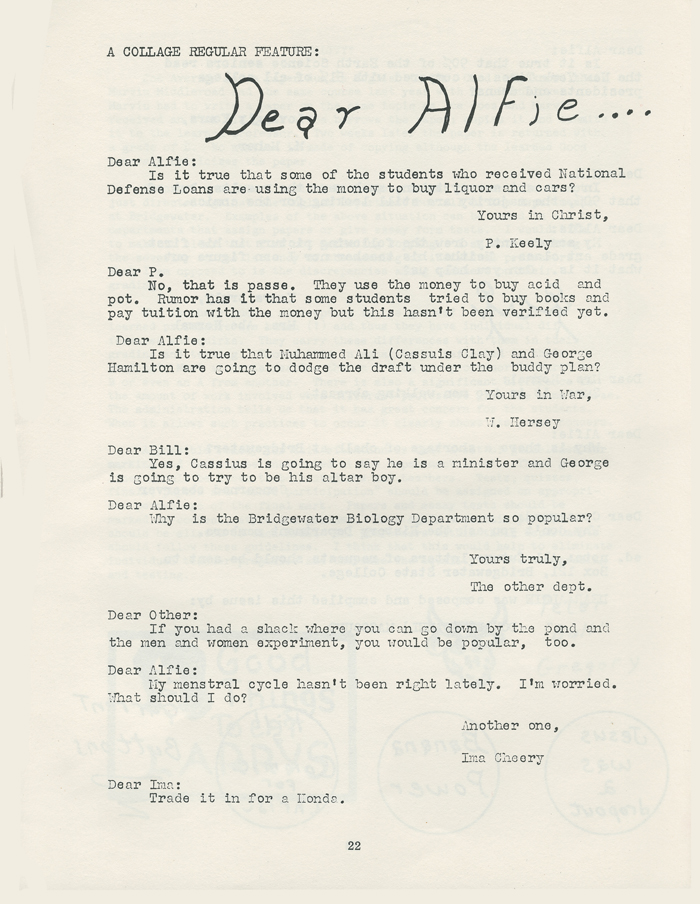
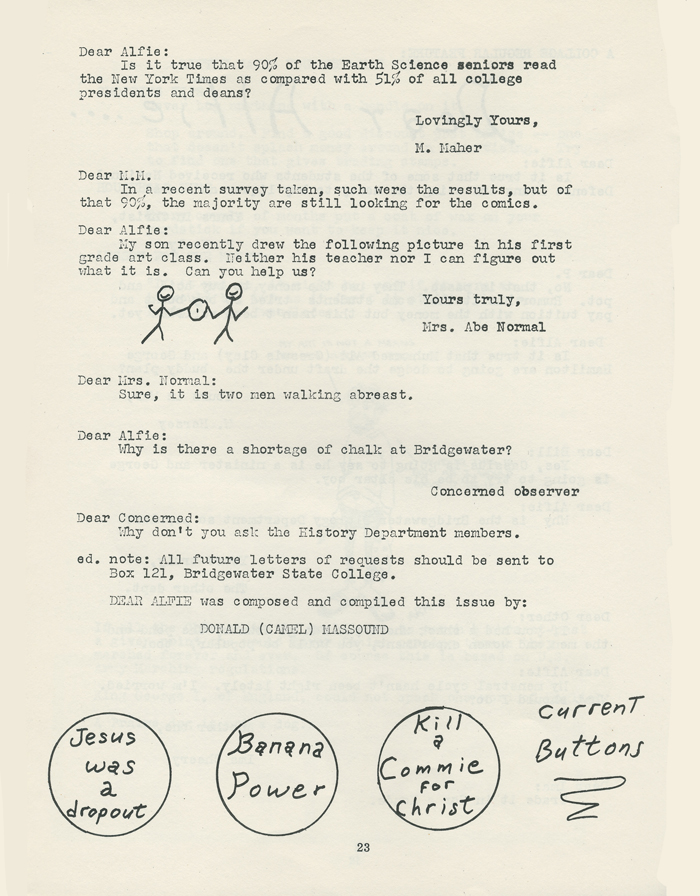
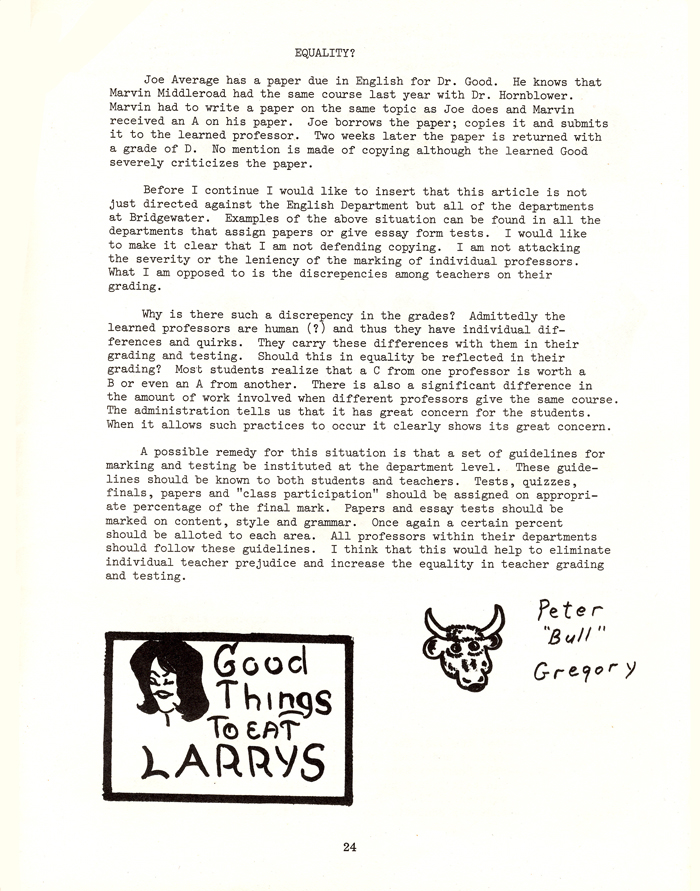
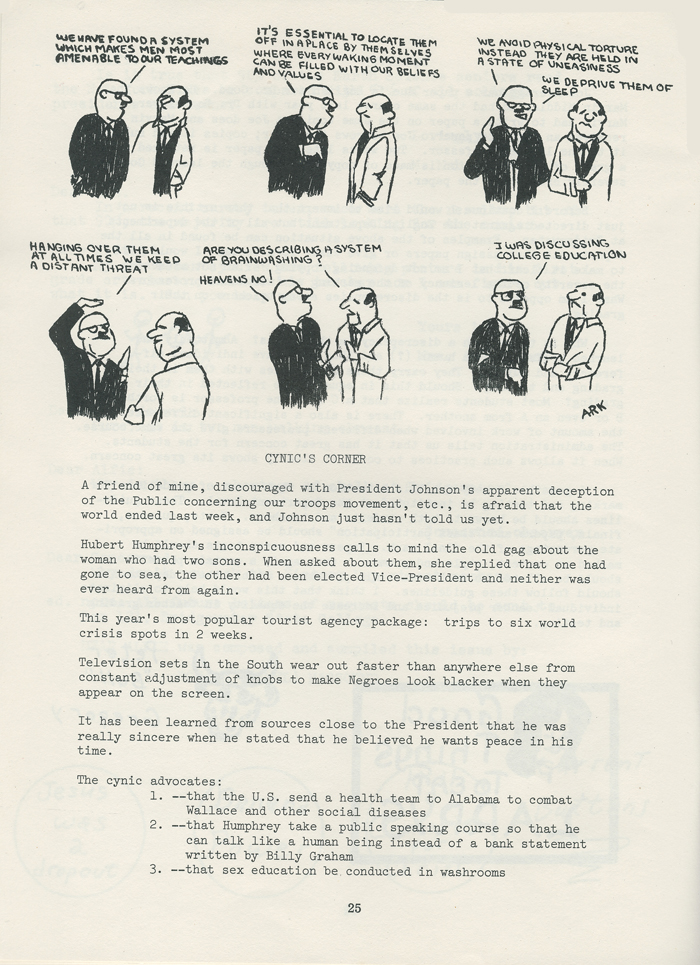
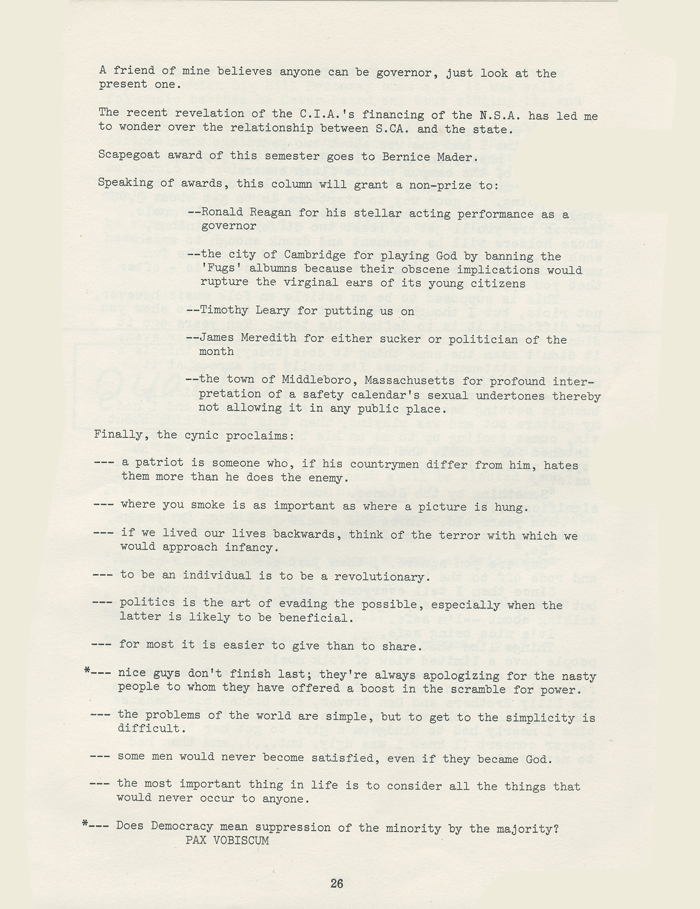
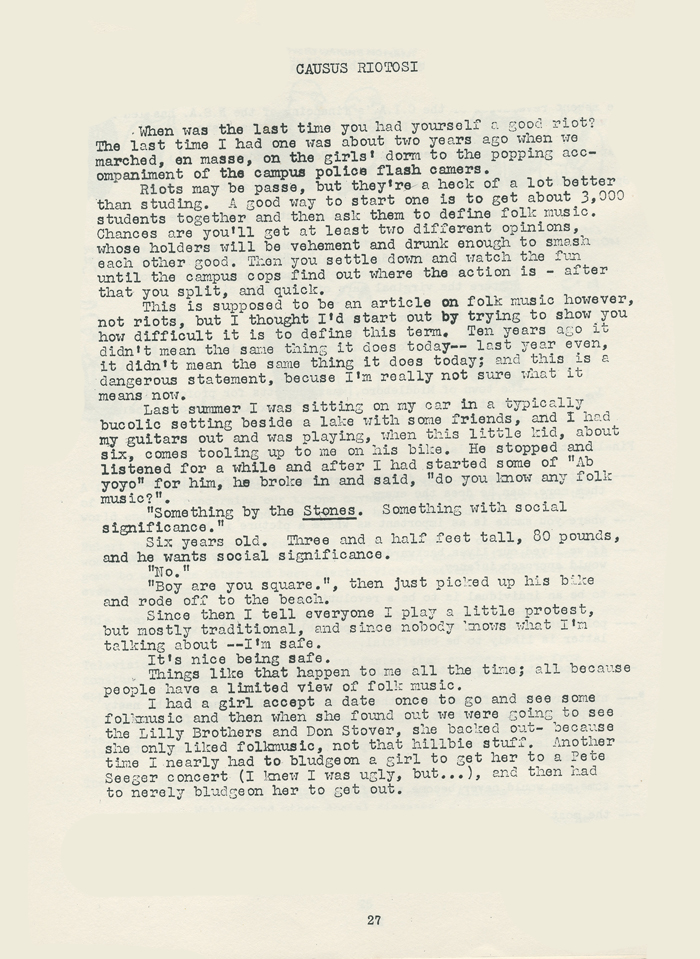
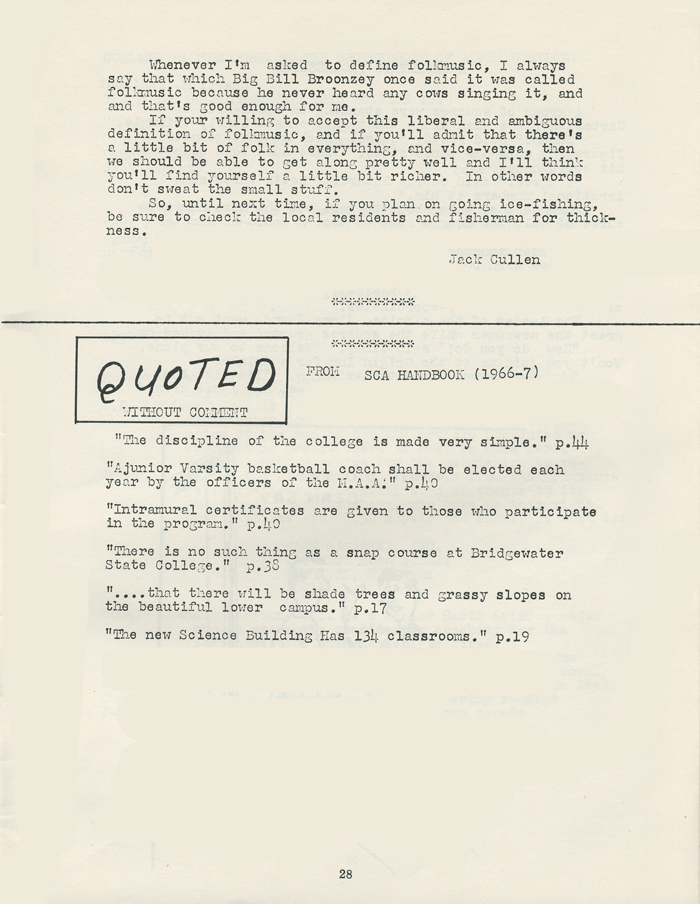
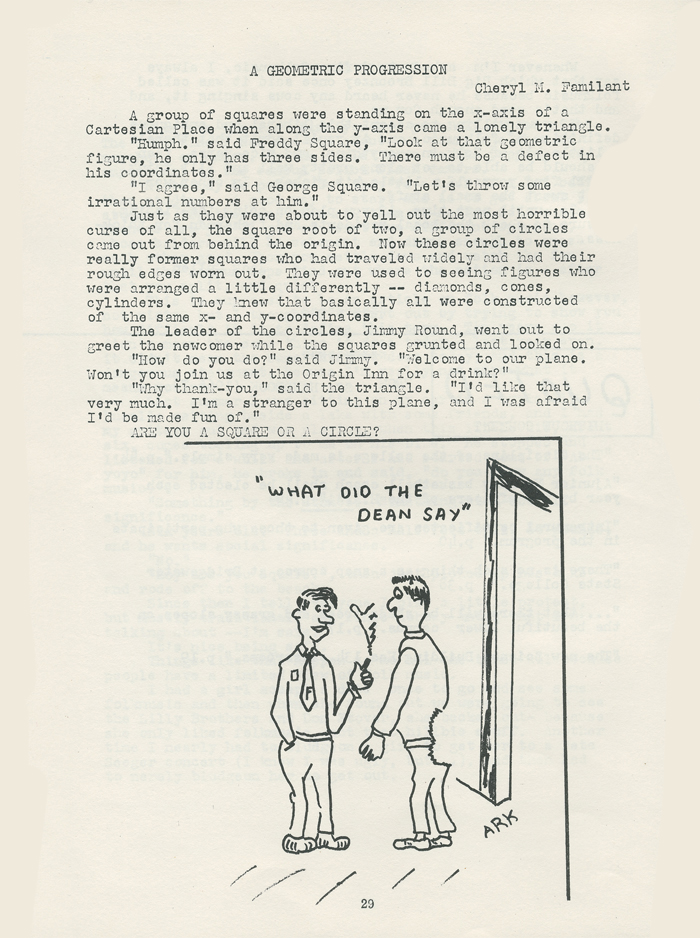
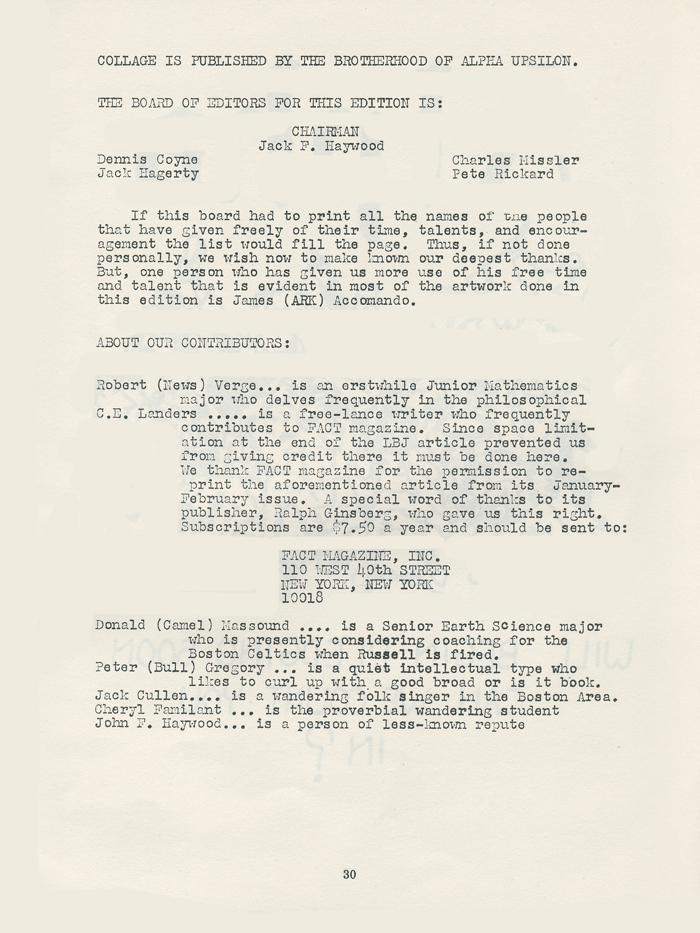
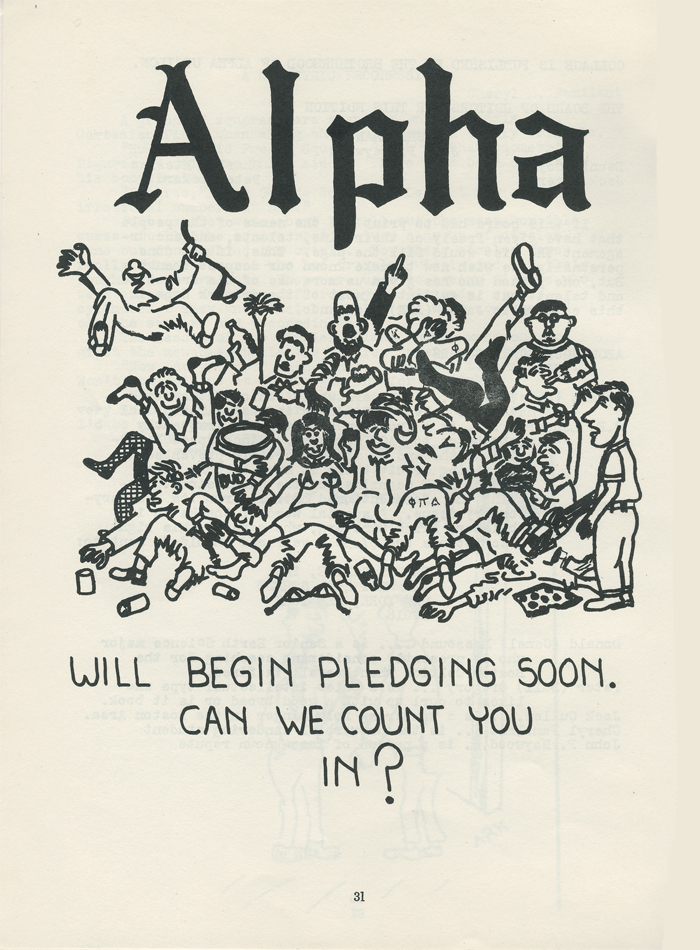
This magazine was published in Spring 1967 and offered for 25 cents per copy by the Brotherhood of the Alpha Upsilon fraternity and features school talk, political commentary and cartoons.
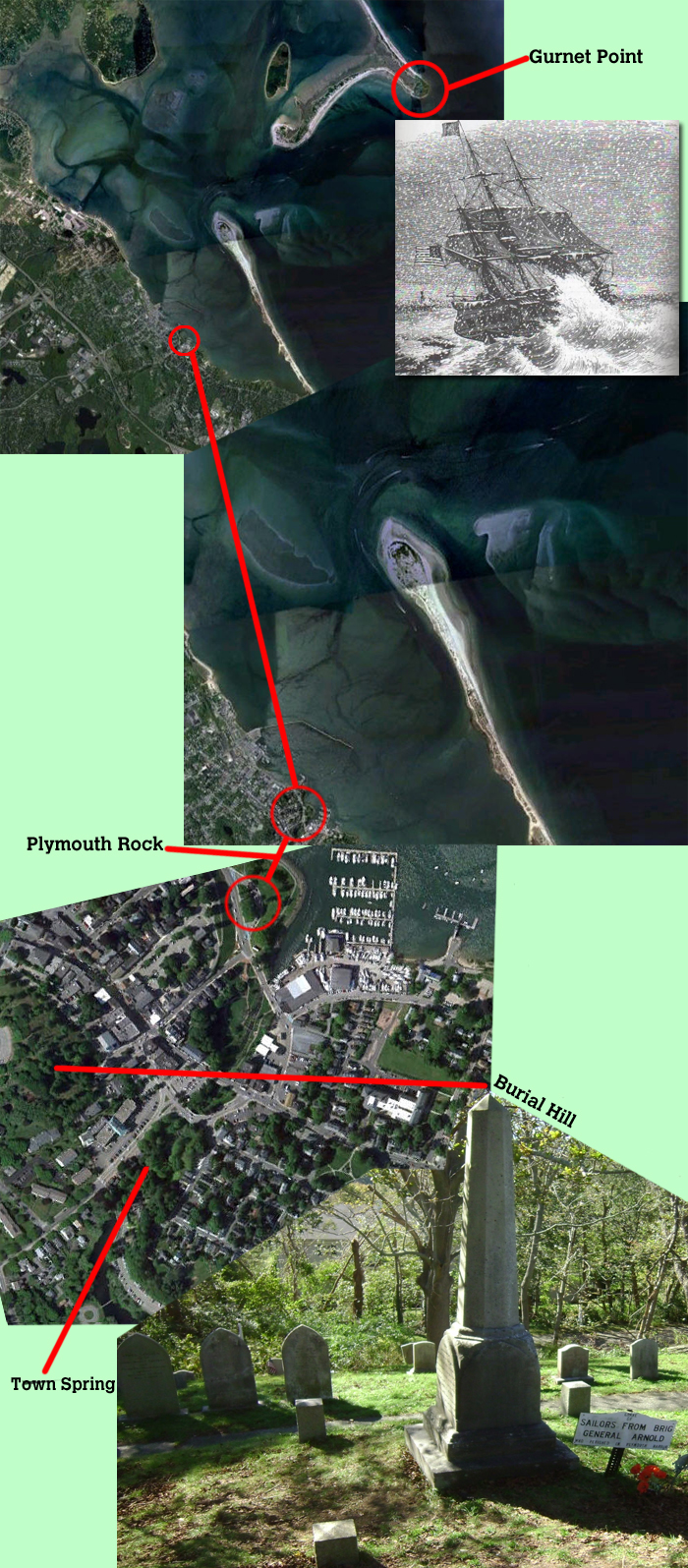
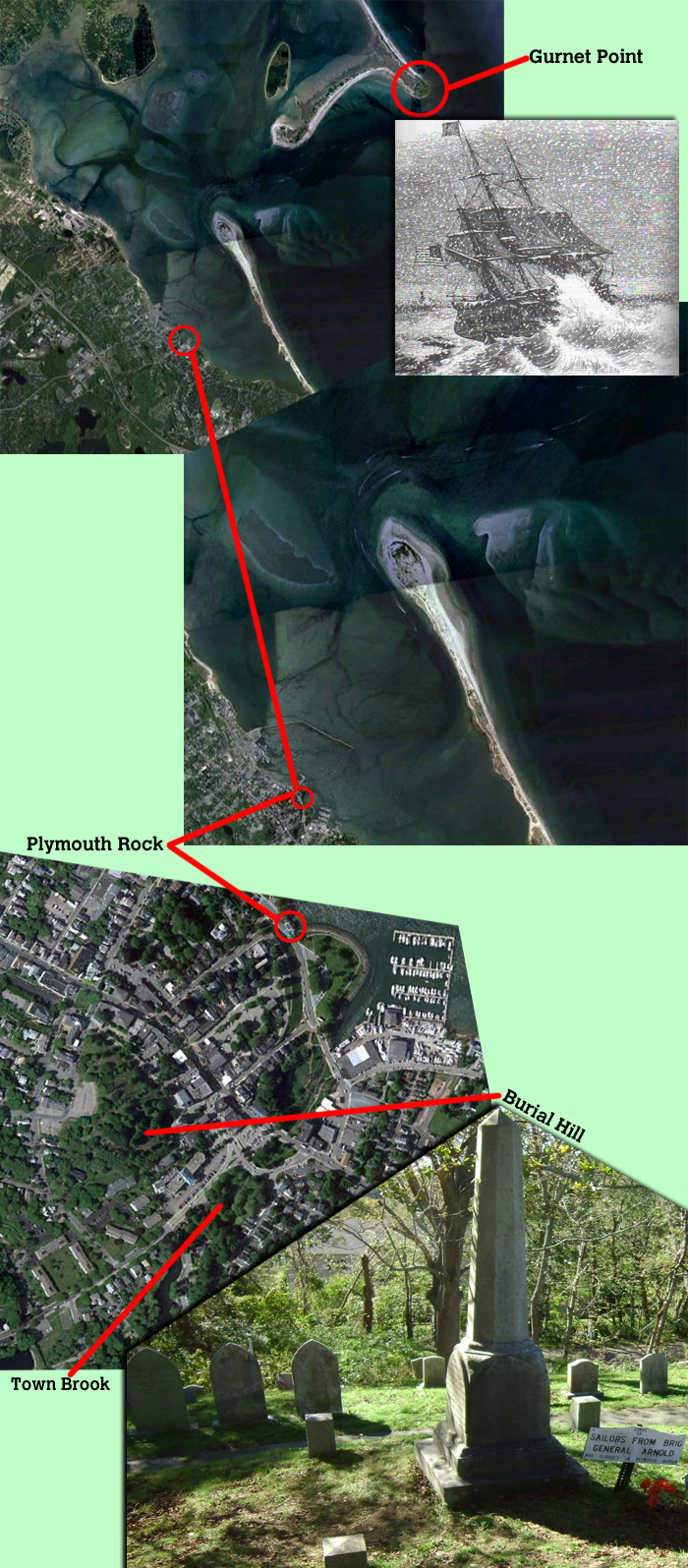
The ‘General Arnold’ Wreck at Plymouth
- At November 12, 2011
- By J Harper
- In Disasters
- 2
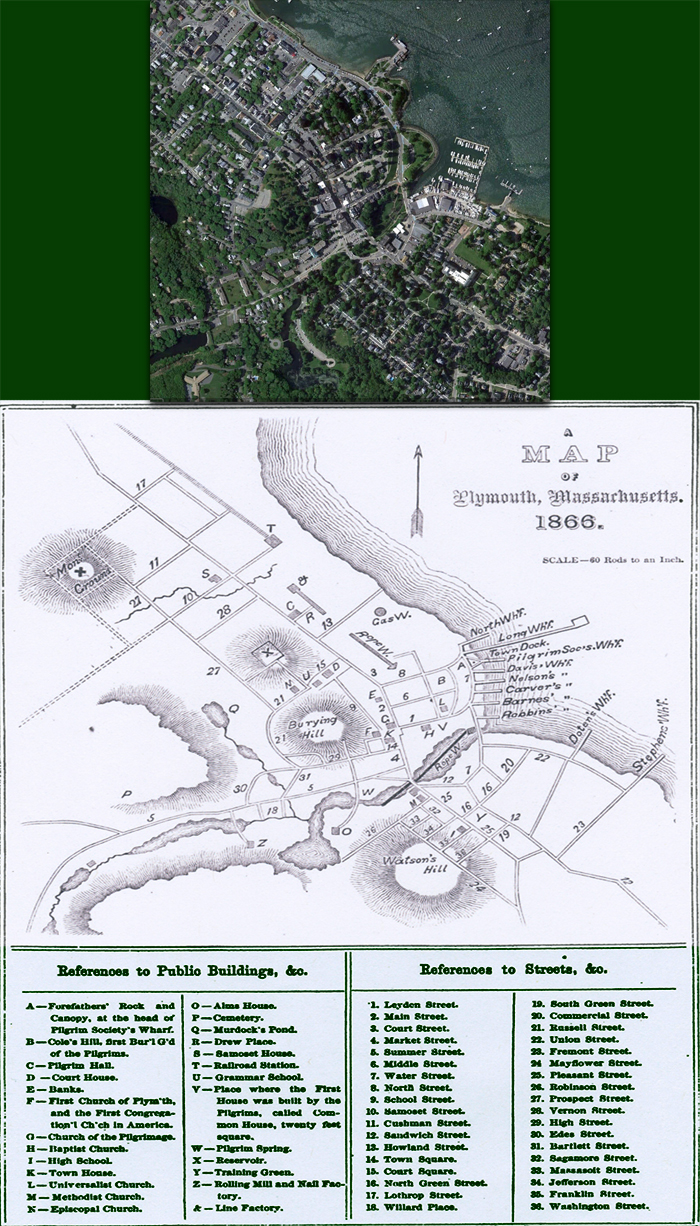
PDF Book: William Bradford of Plymouth
- At November 12, 2011
- By J Harper
- In PDF Library
- 0
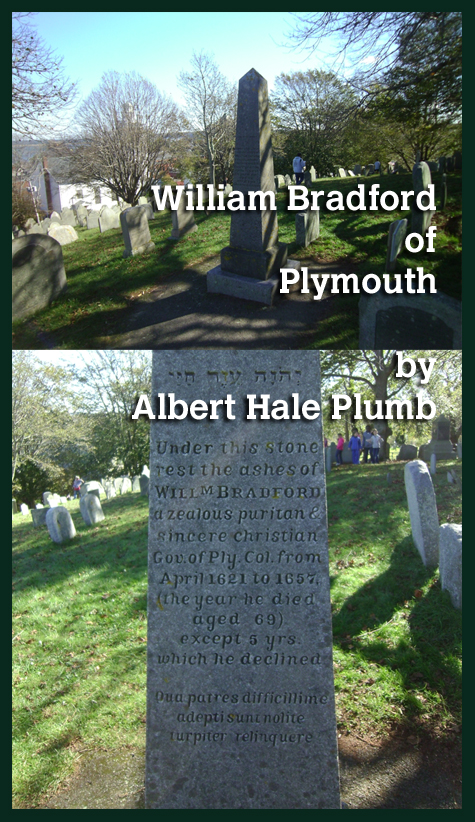
Click on image above to open PDF book.


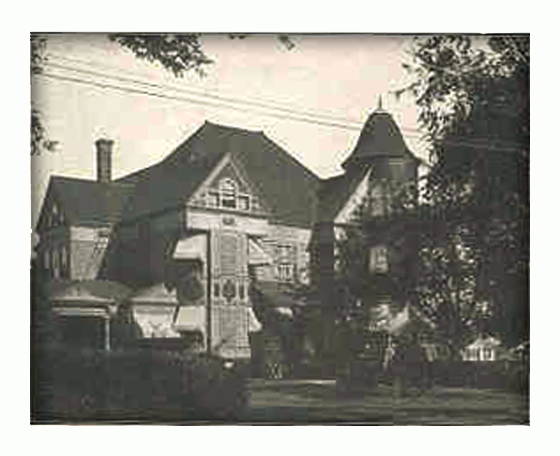
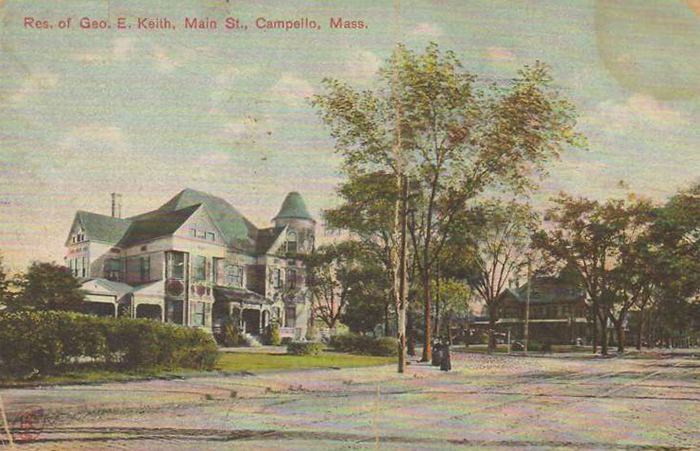
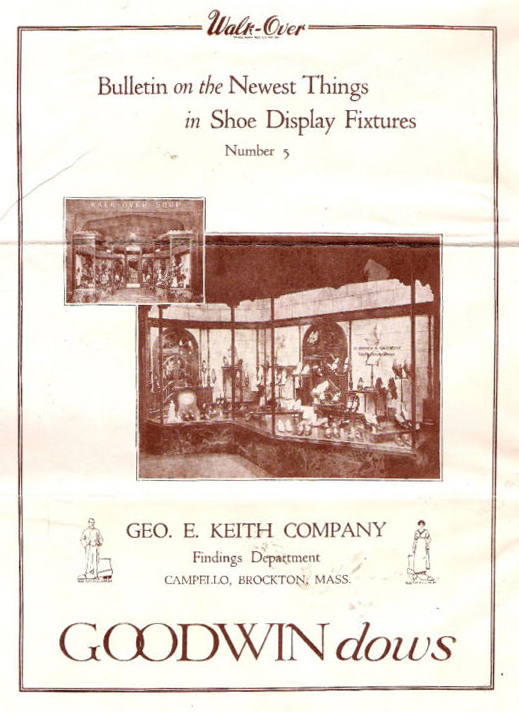
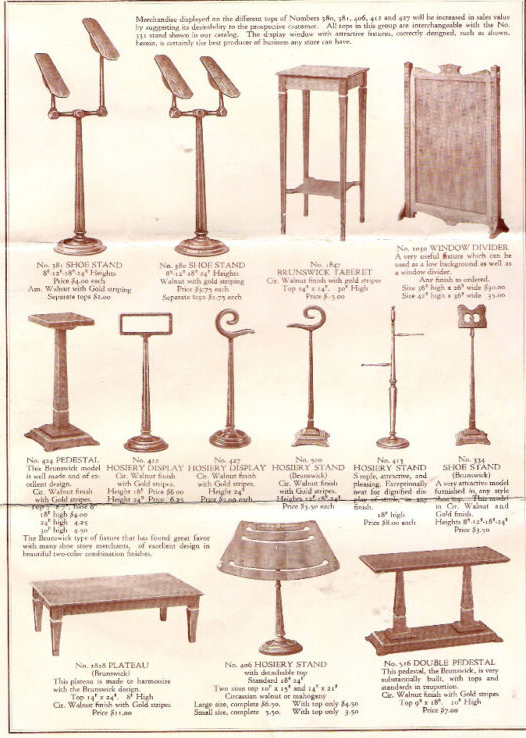
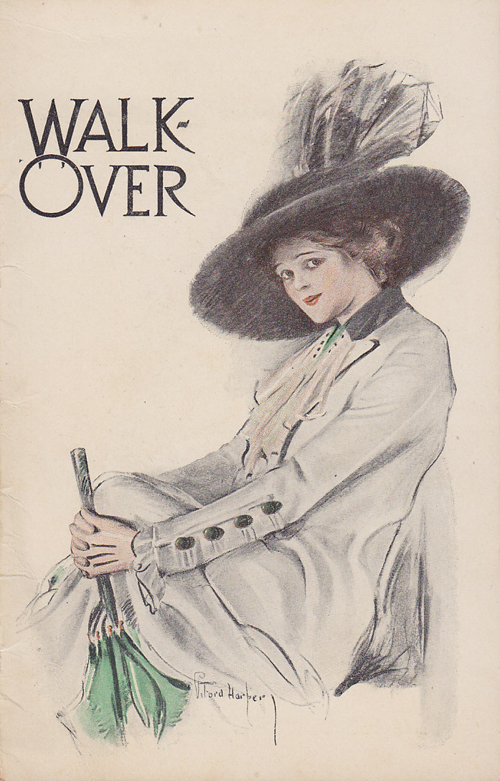
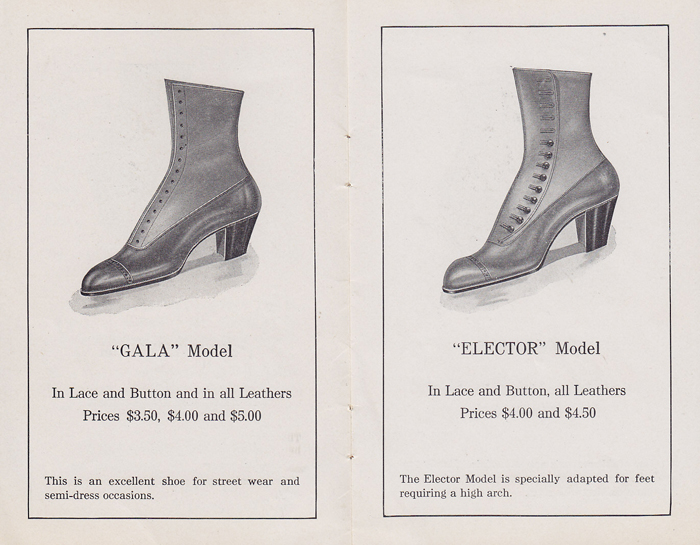
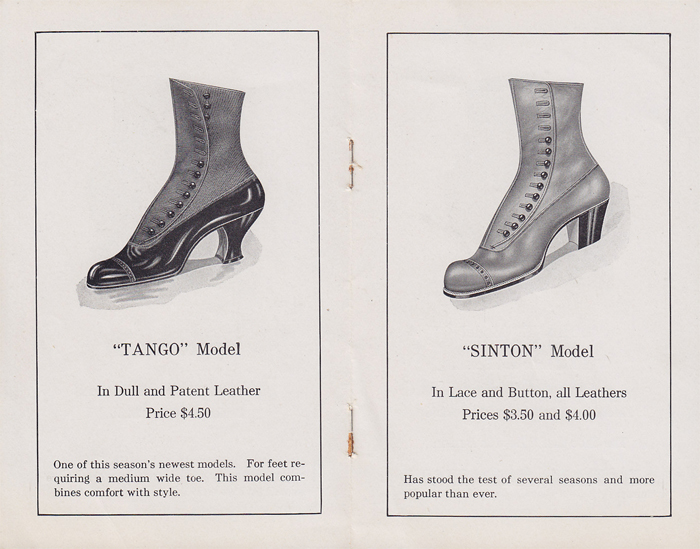
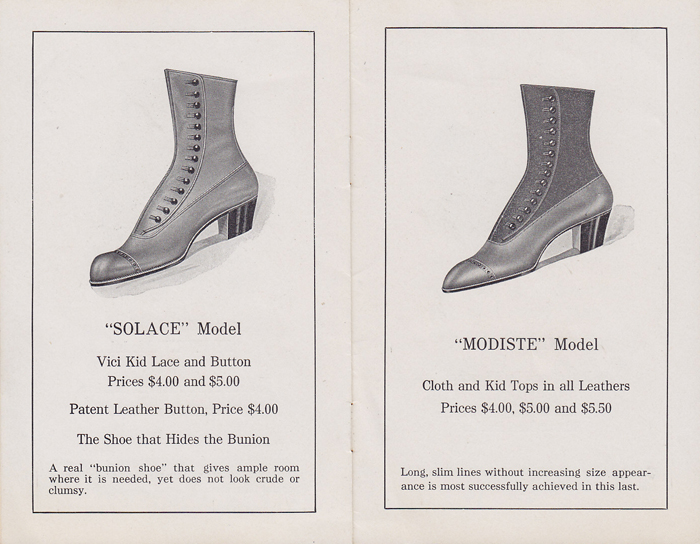
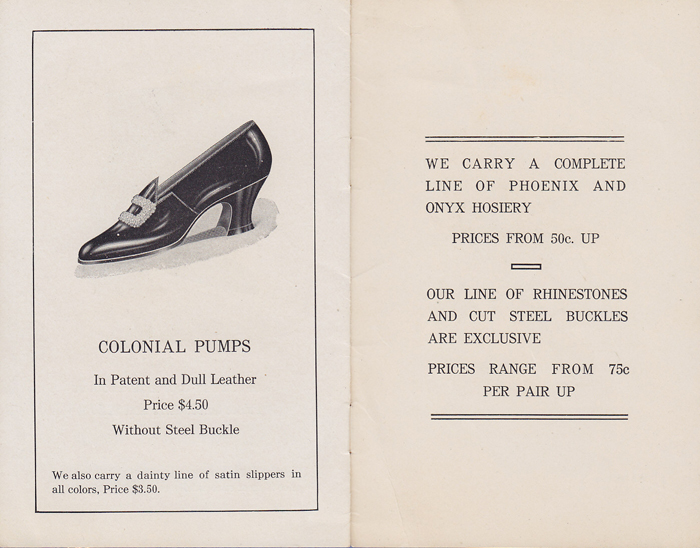
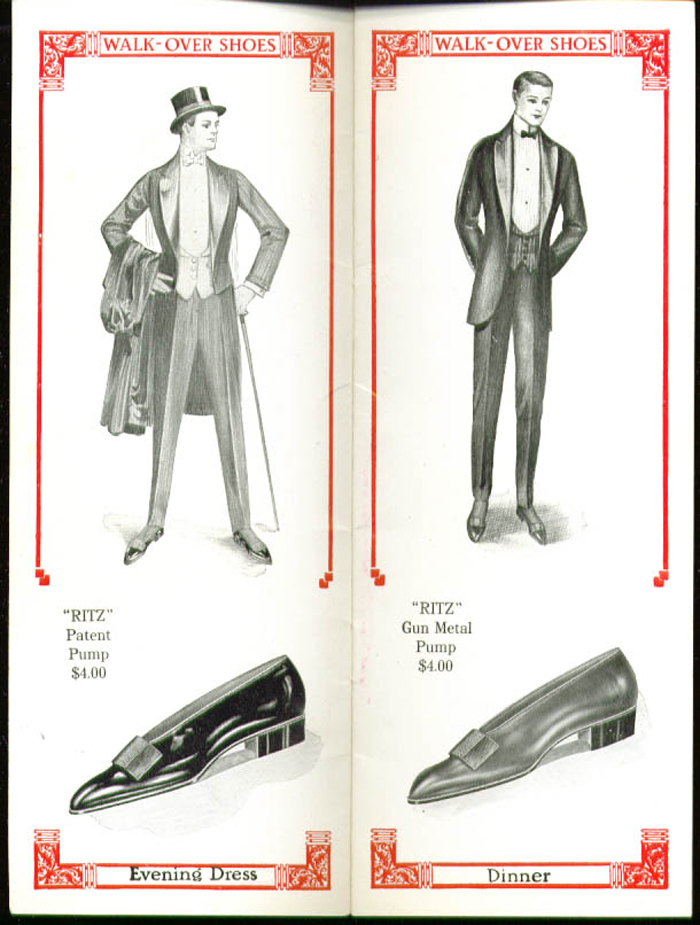
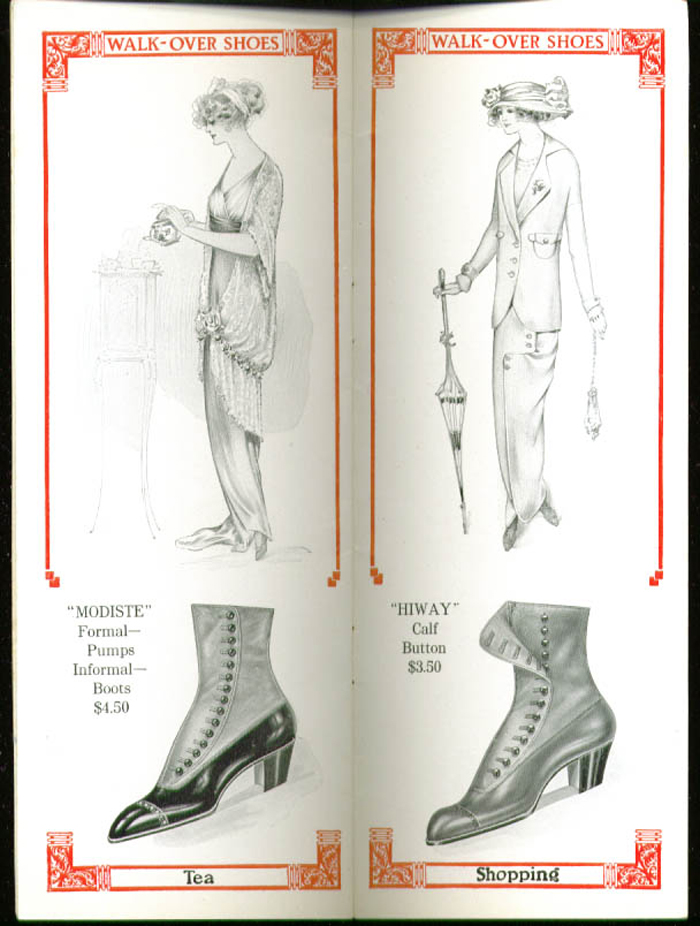
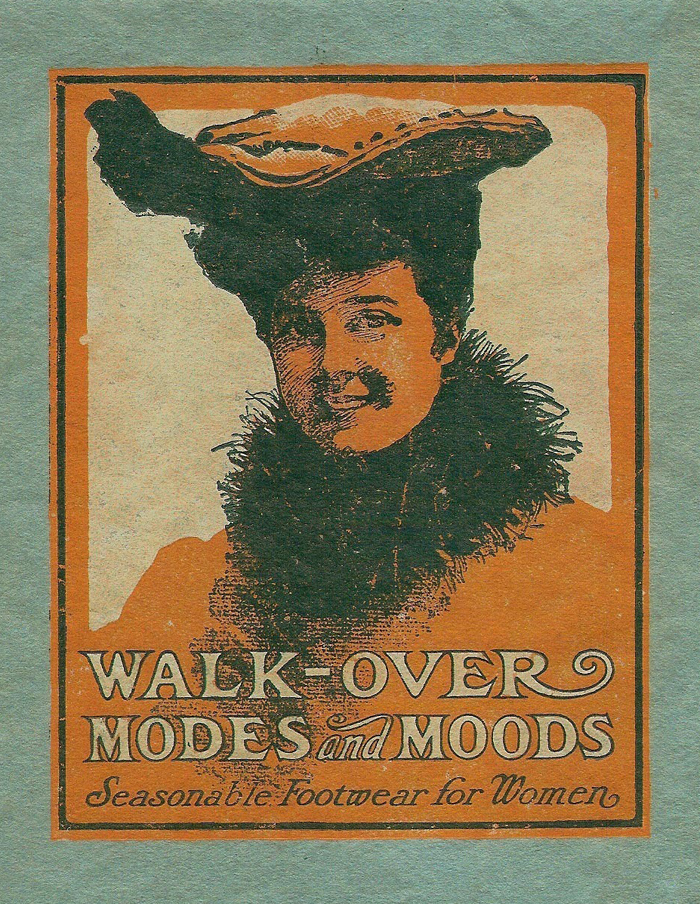
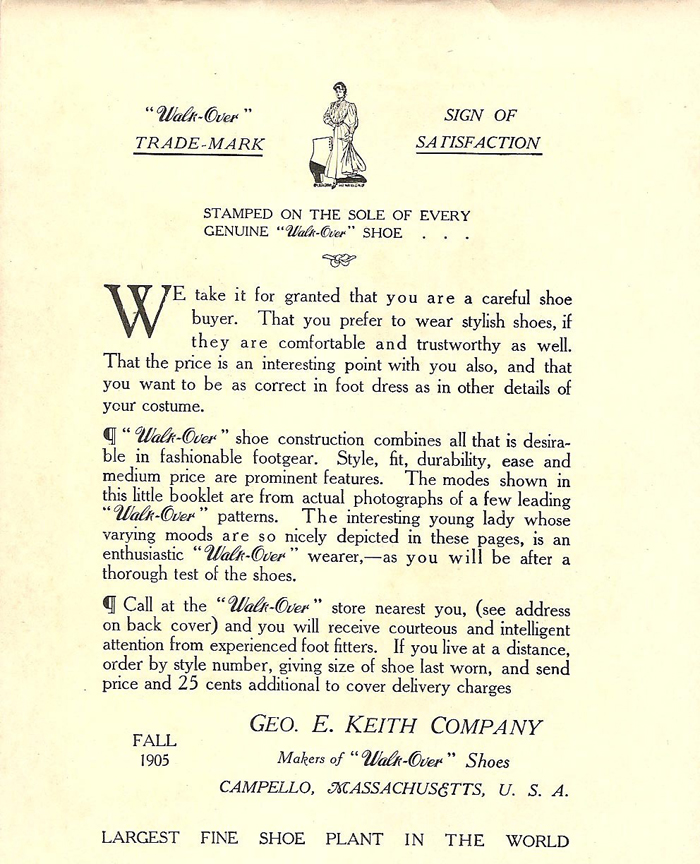
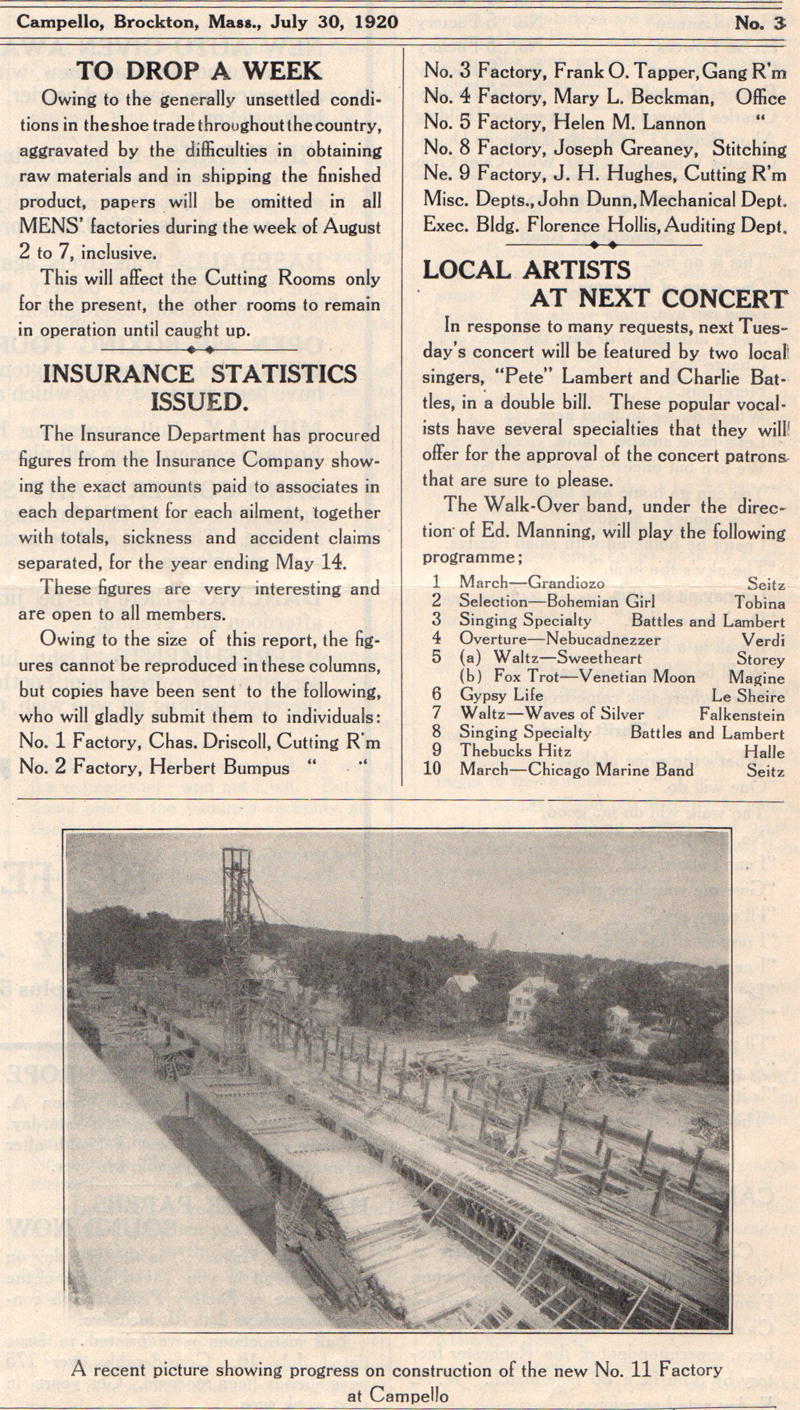
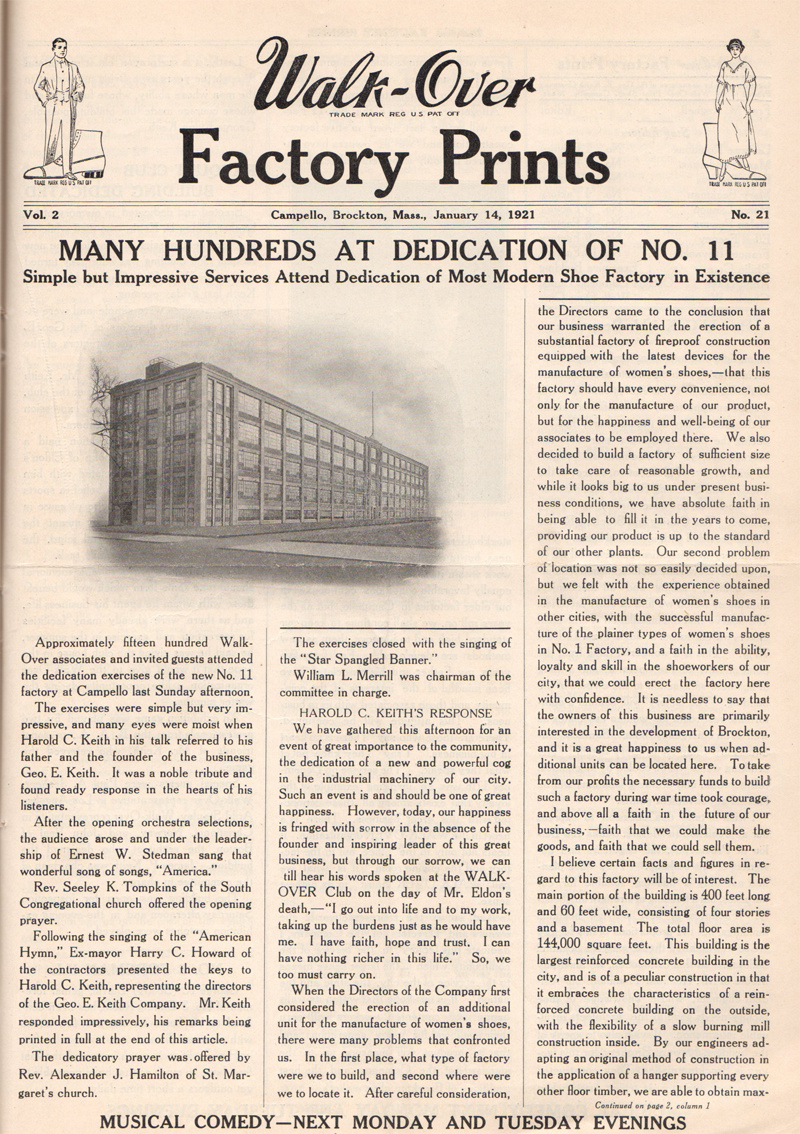
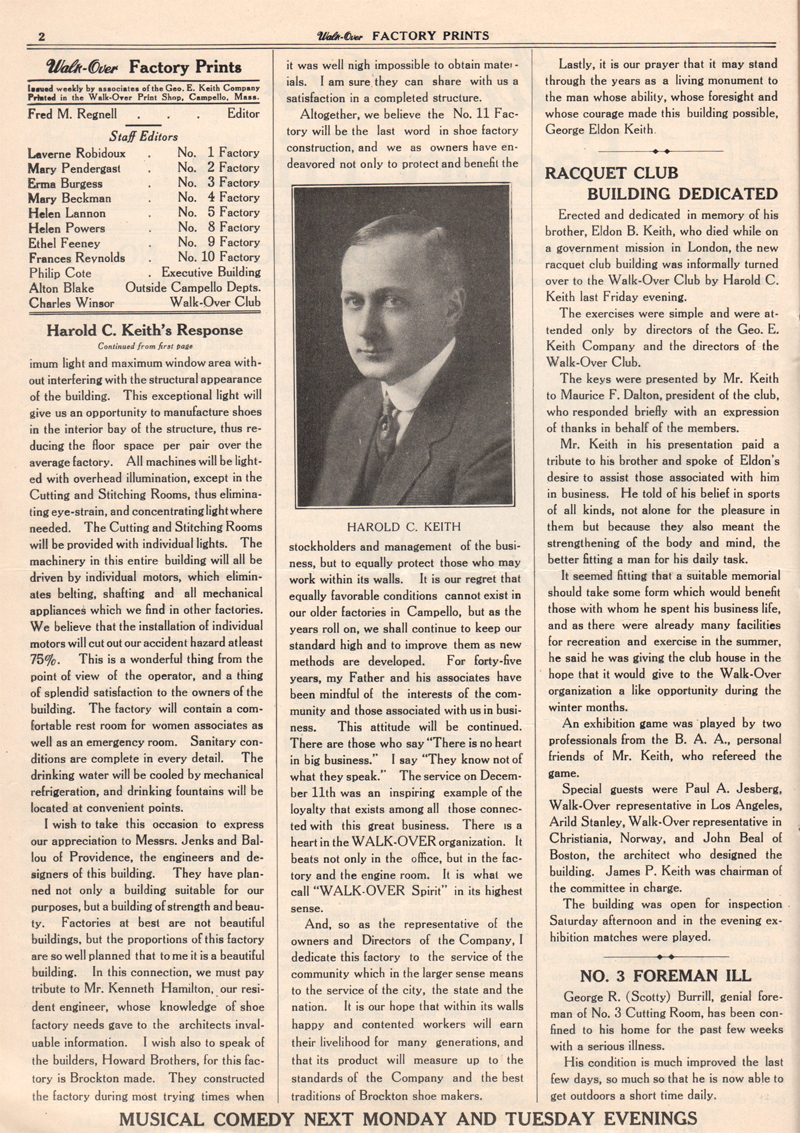
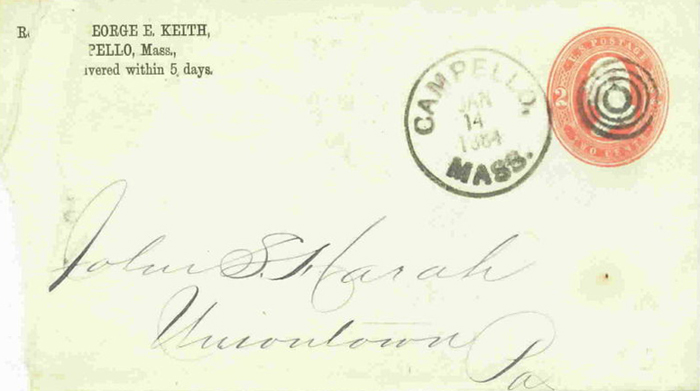
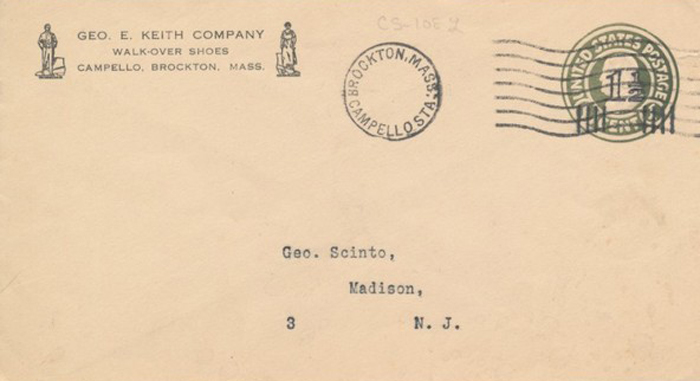
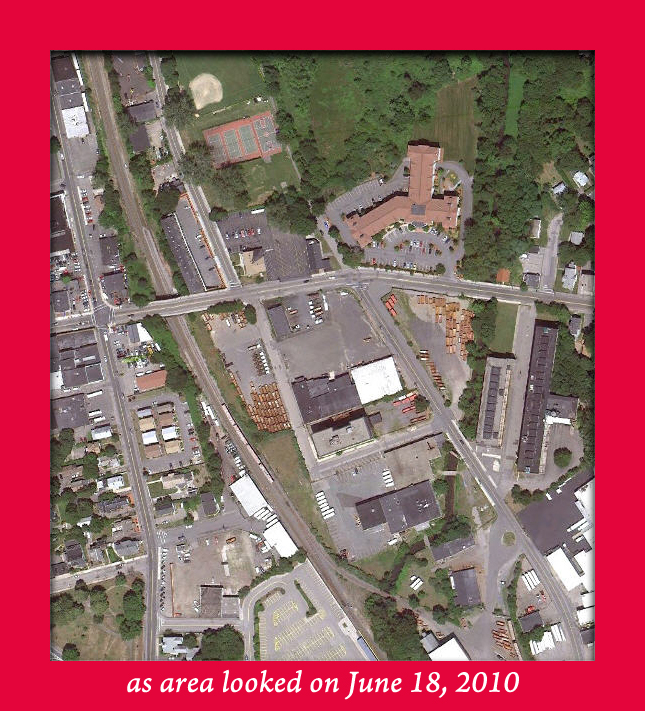
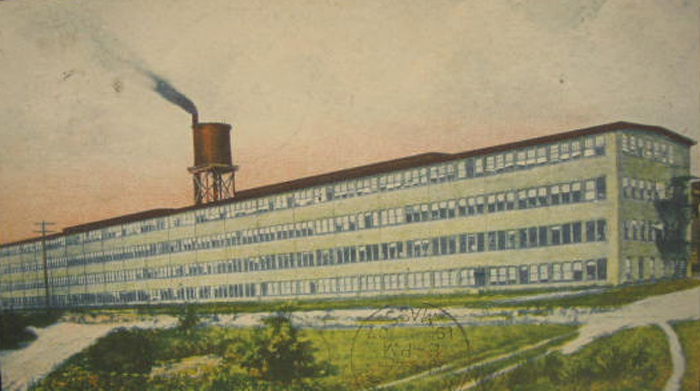
Walk-Over Shoe – George E. Keith Company Part 2
- At September 25, 2011
- By J Harper
- In Industry
- 0
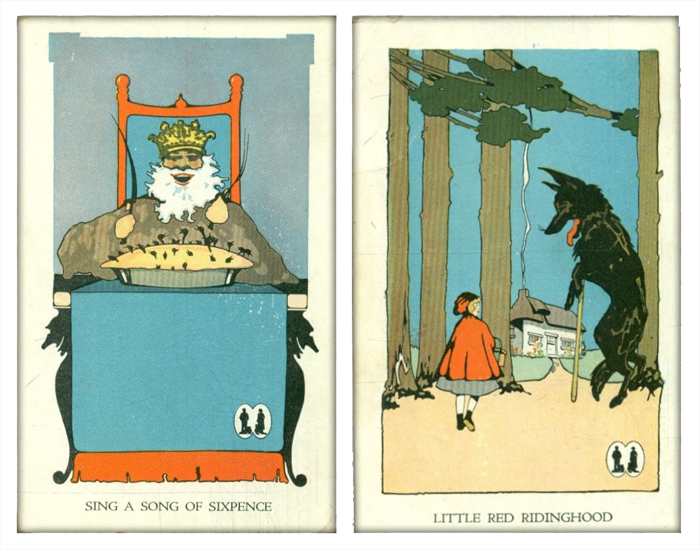
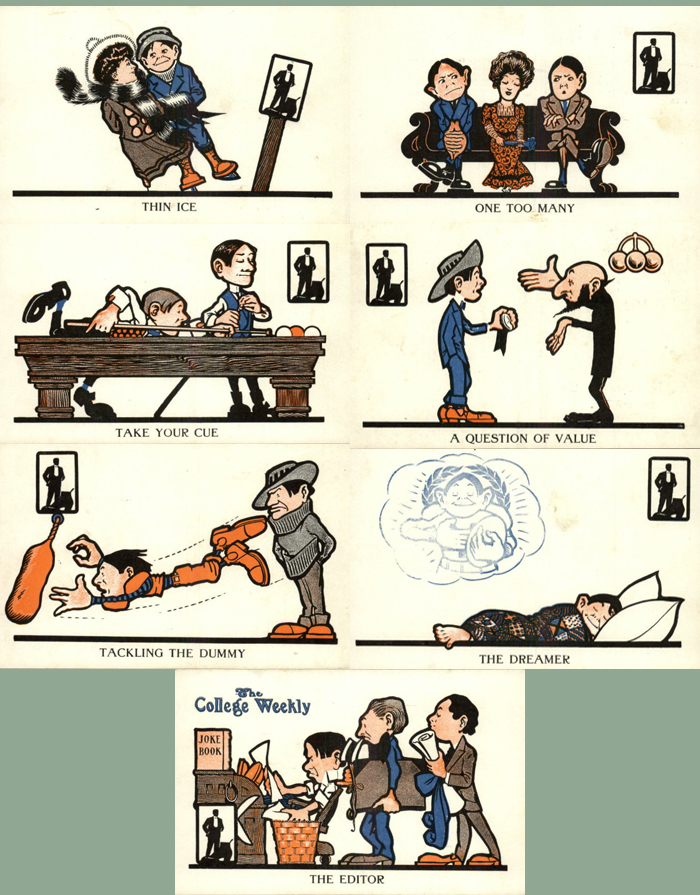
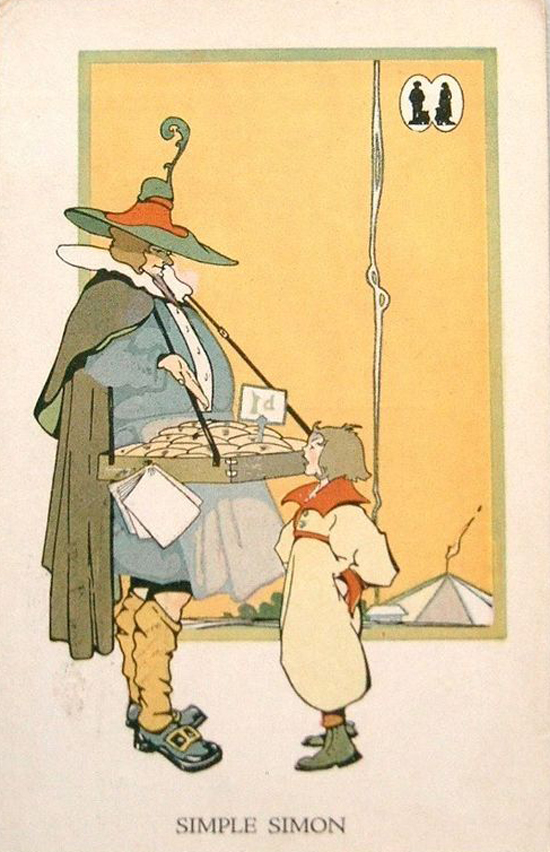
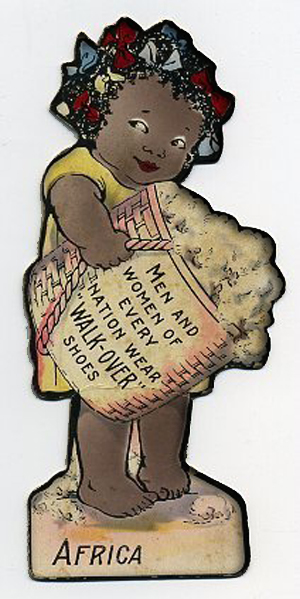
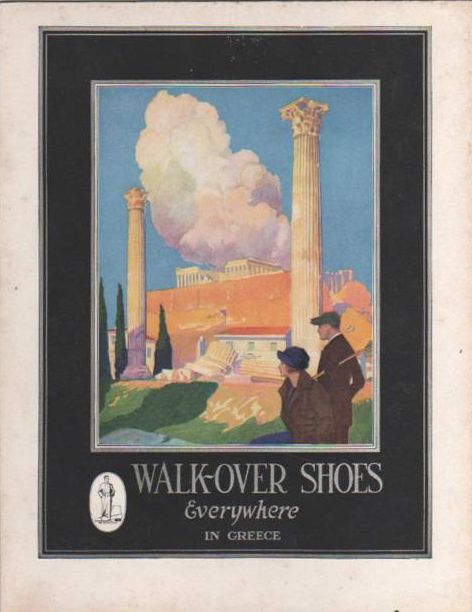
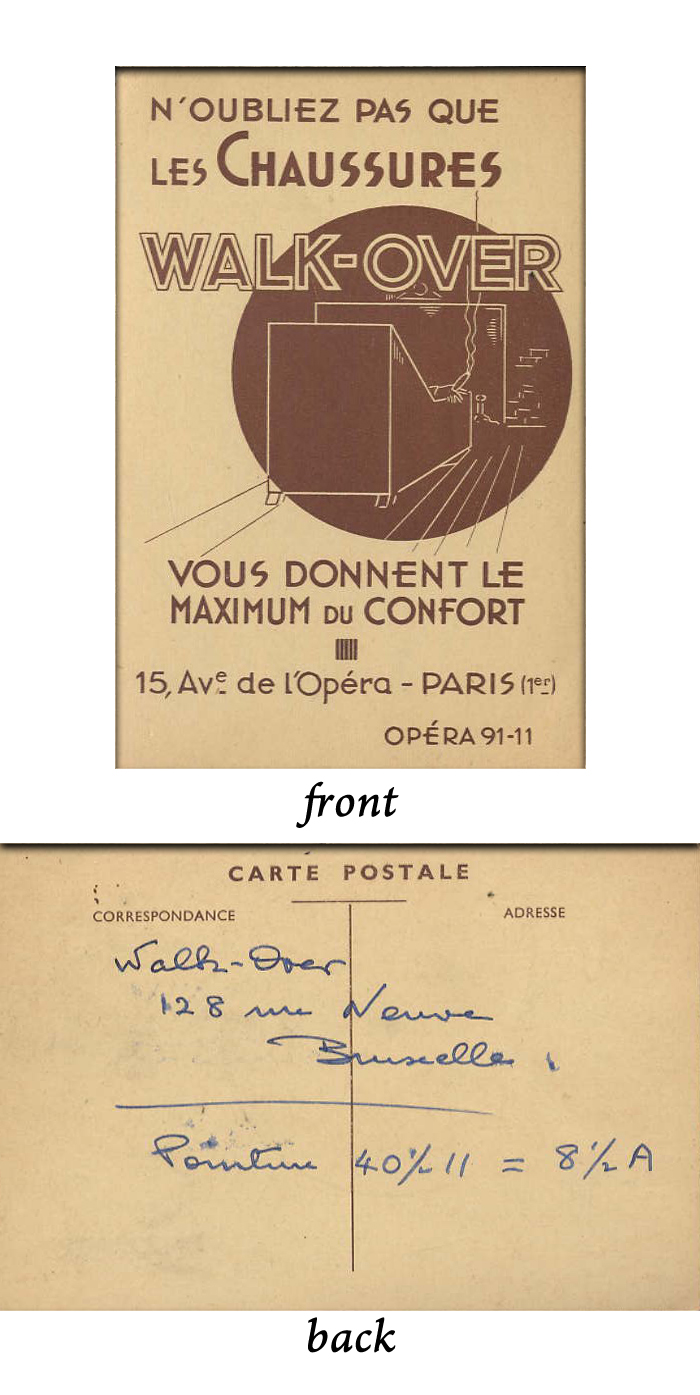
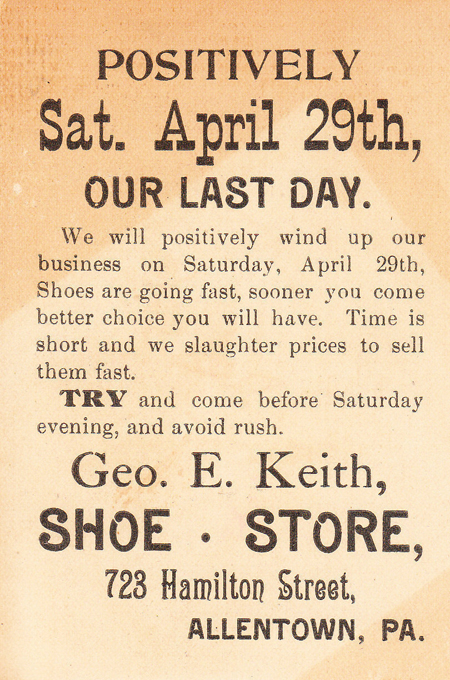
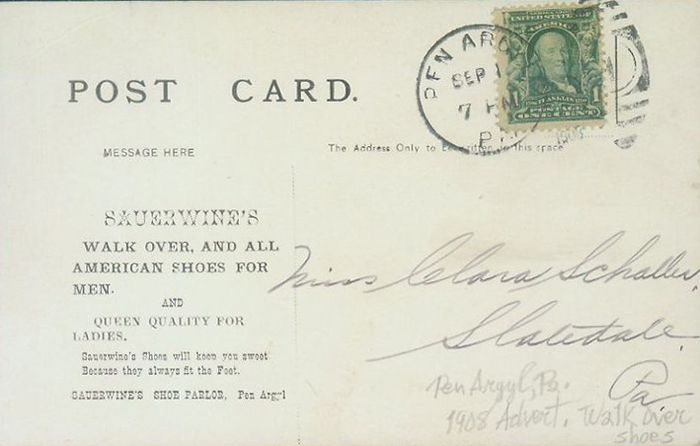
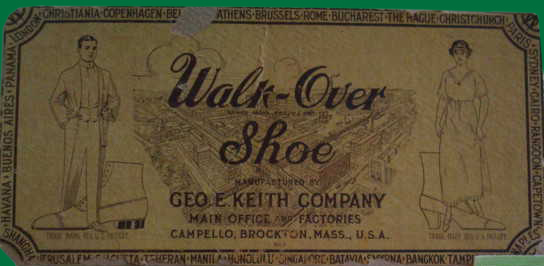
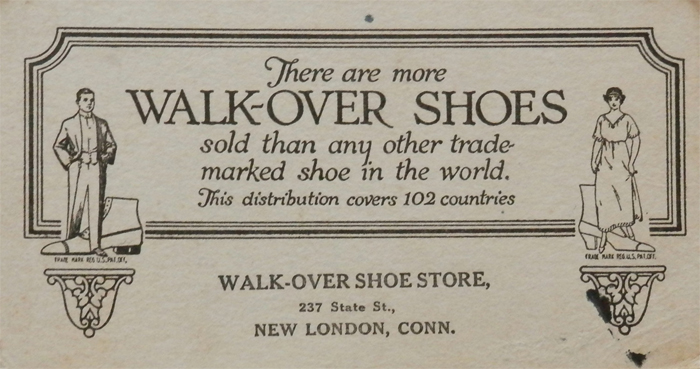
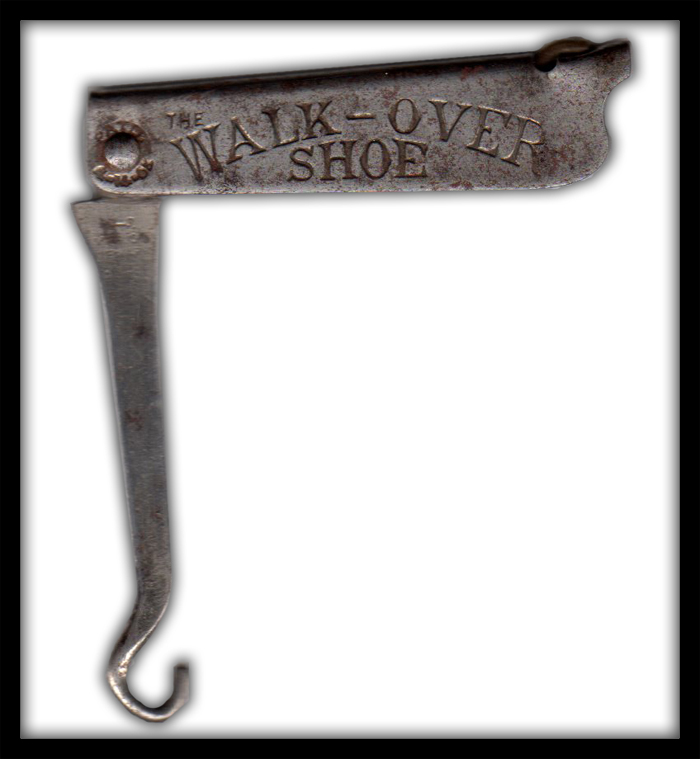
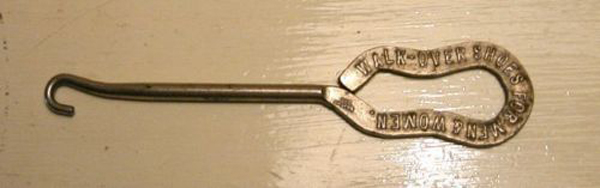
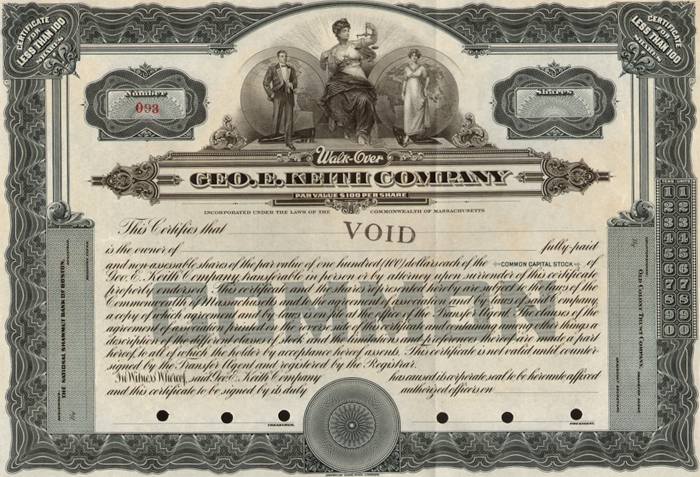
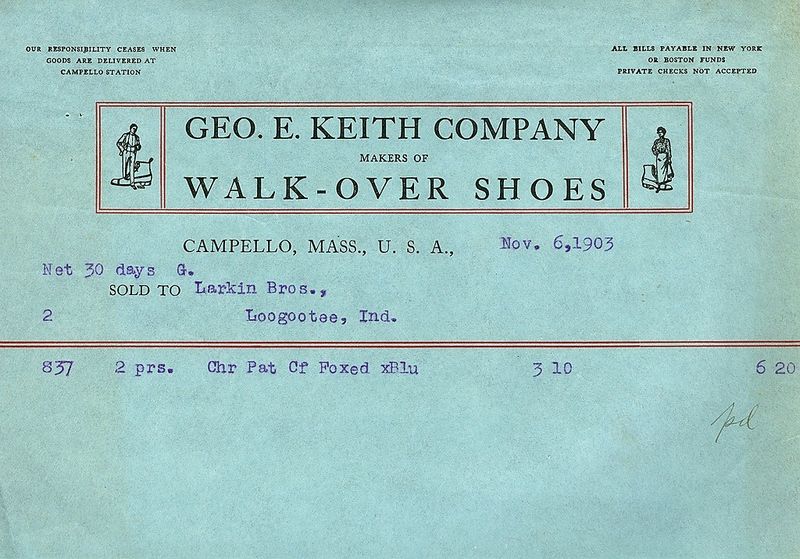
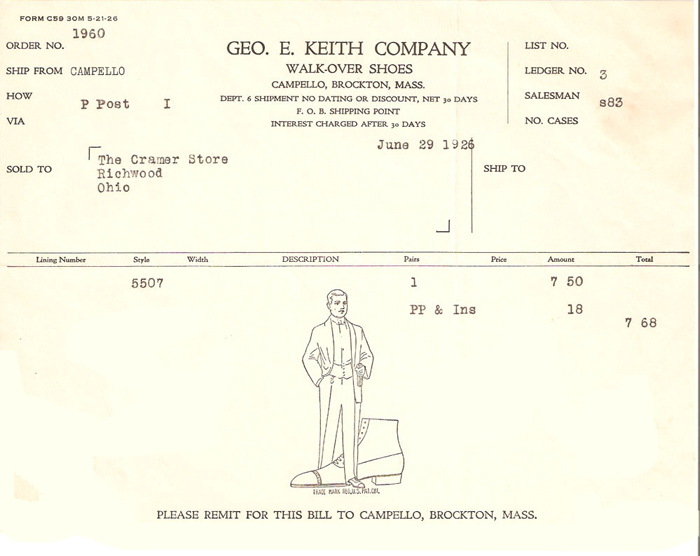
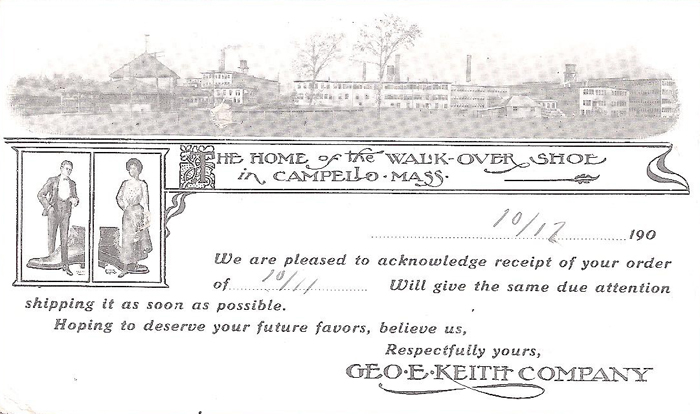
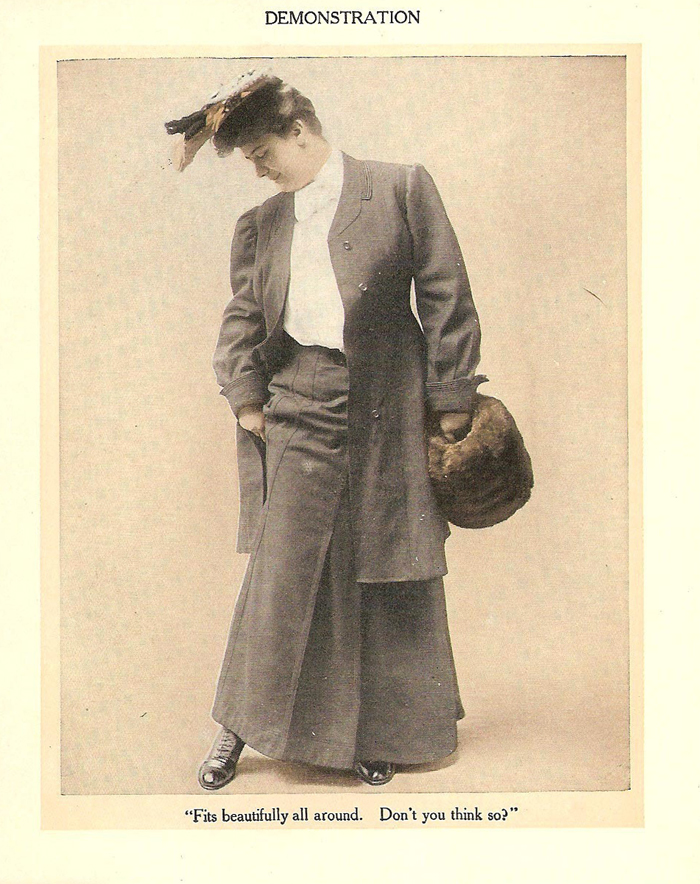
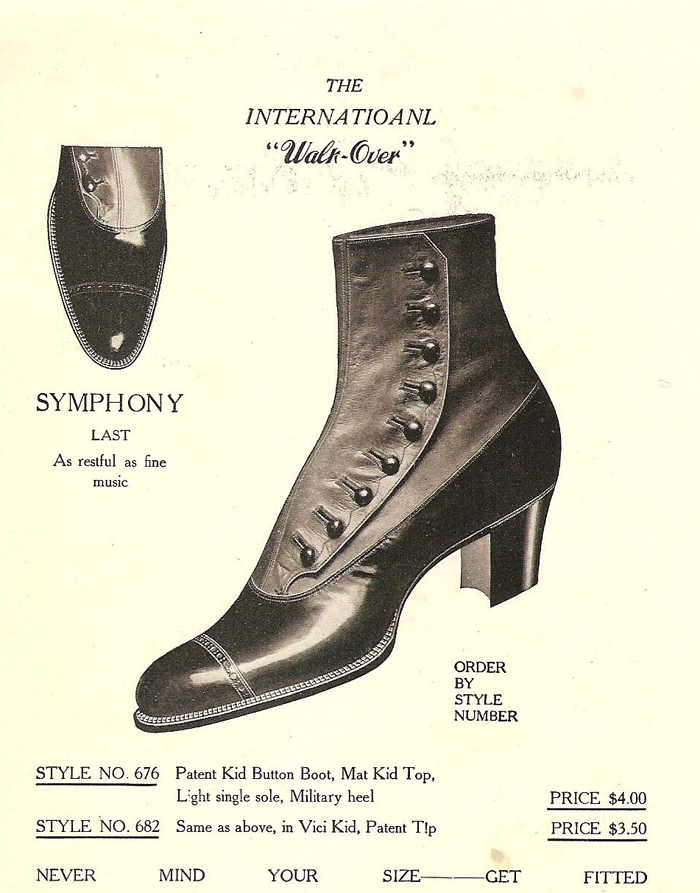
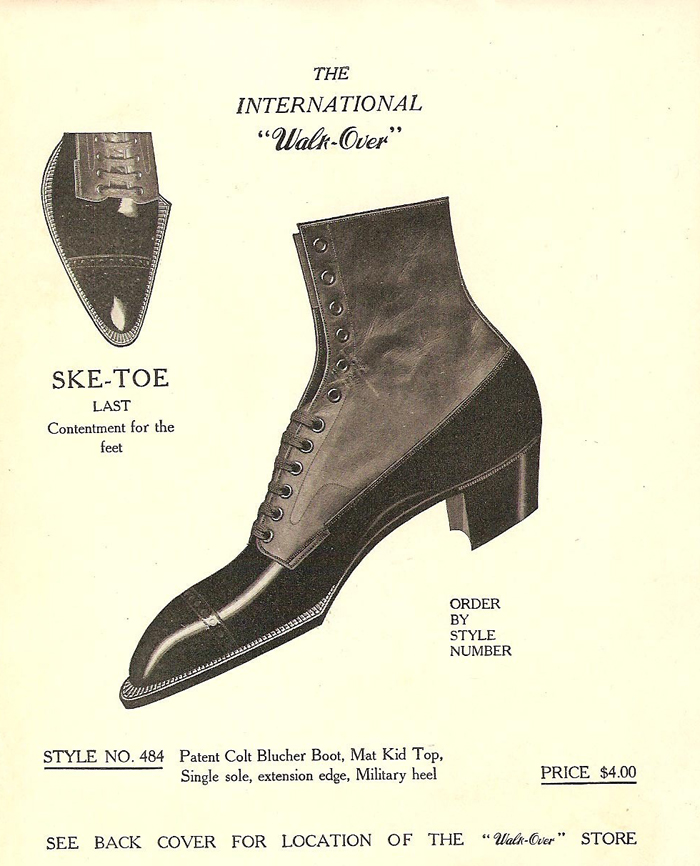
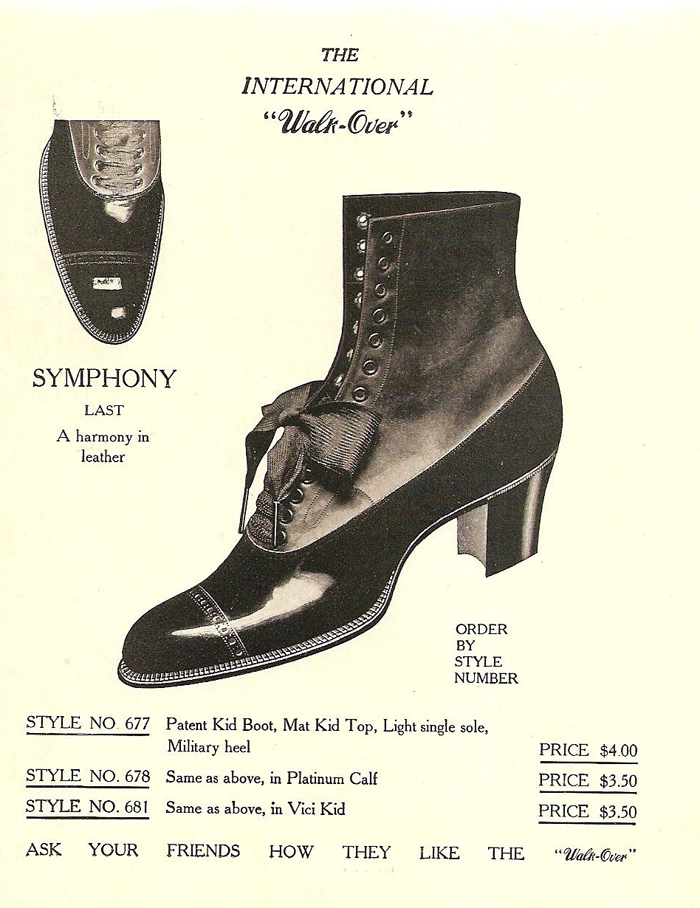
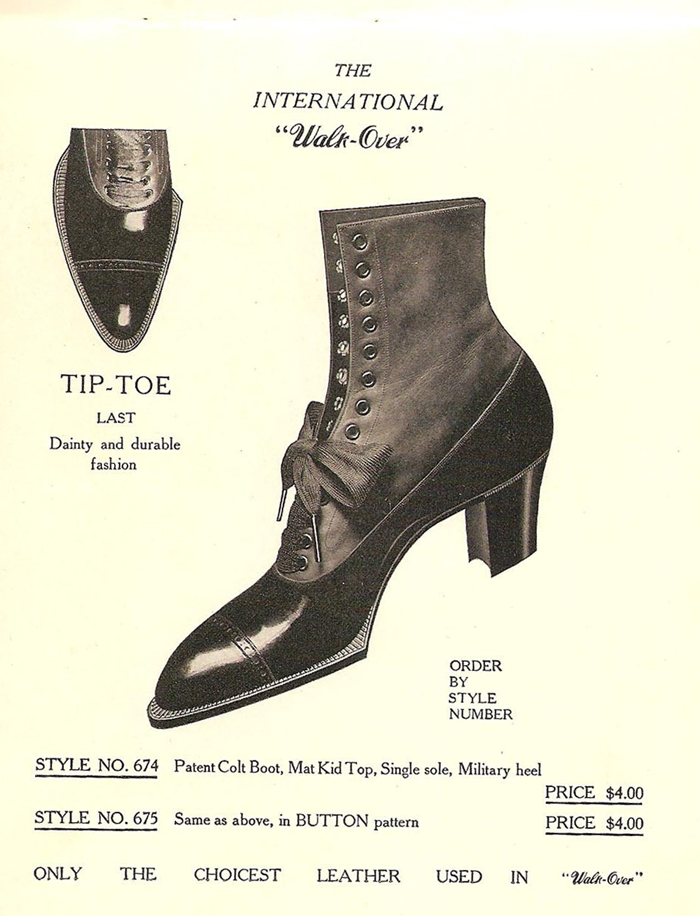
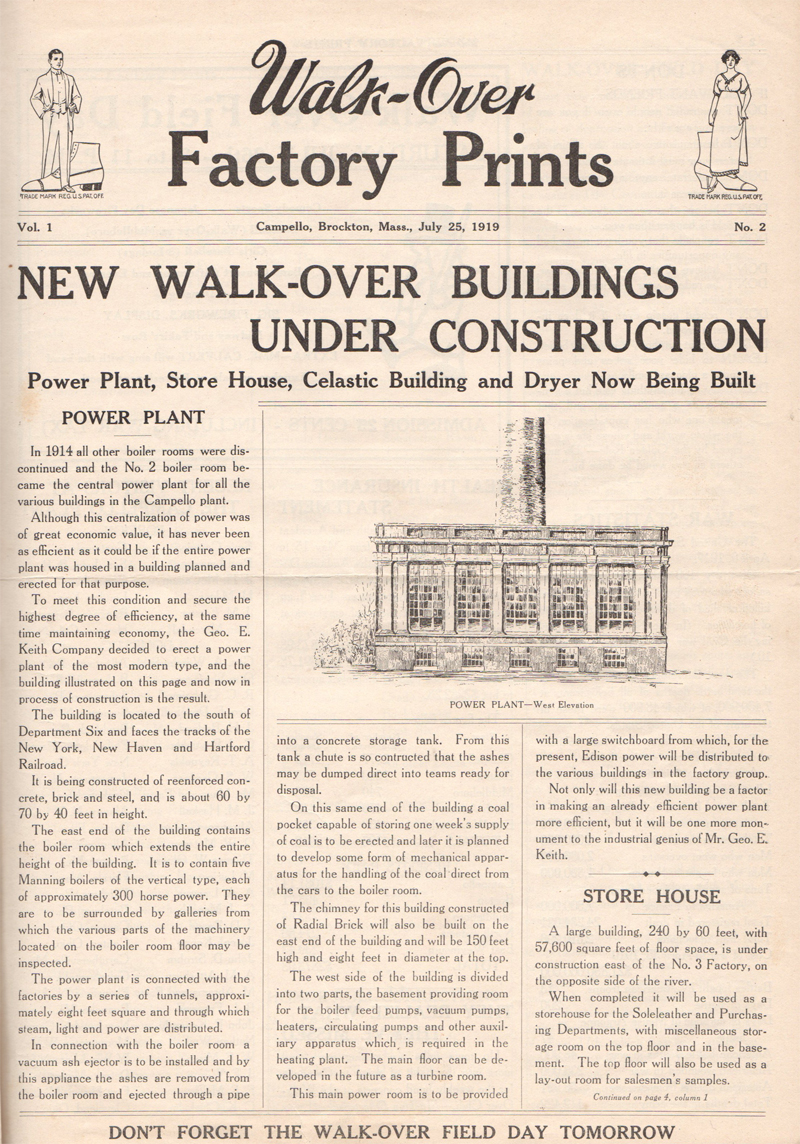
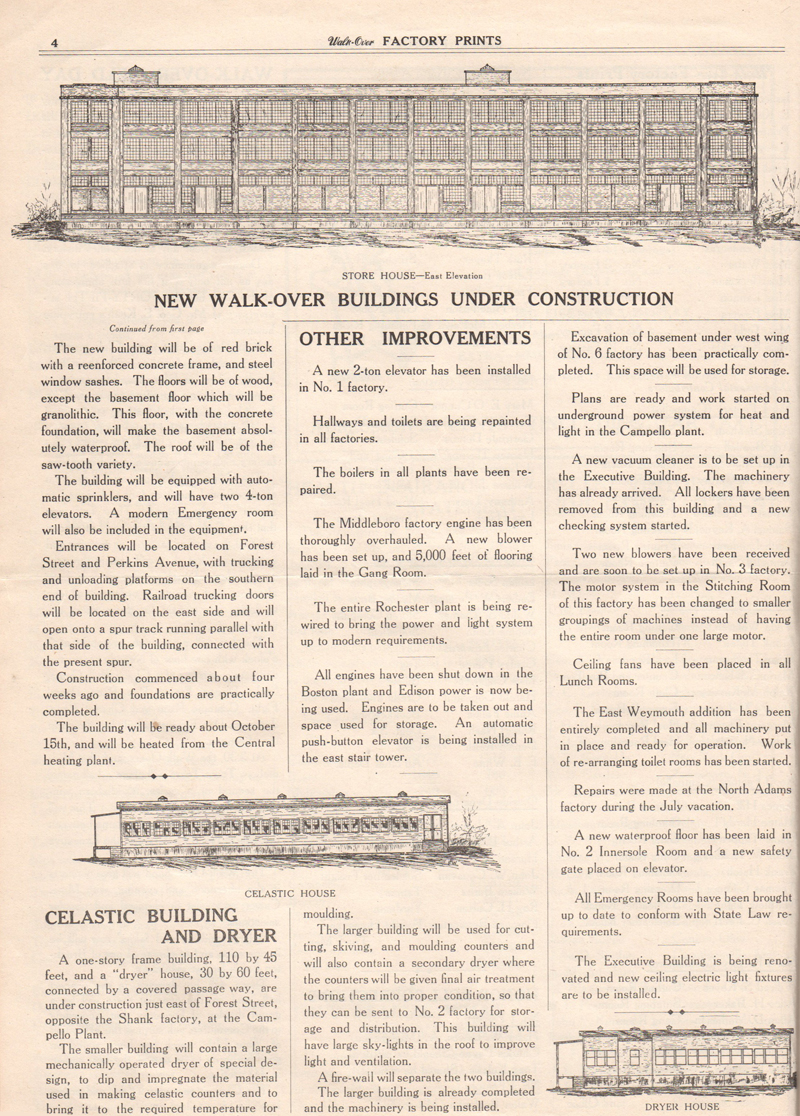
Advertisements, Advertisement Post Cards, Shoe Horns & More

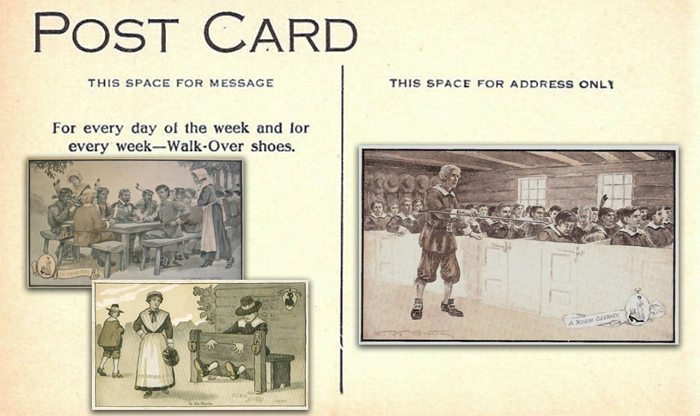
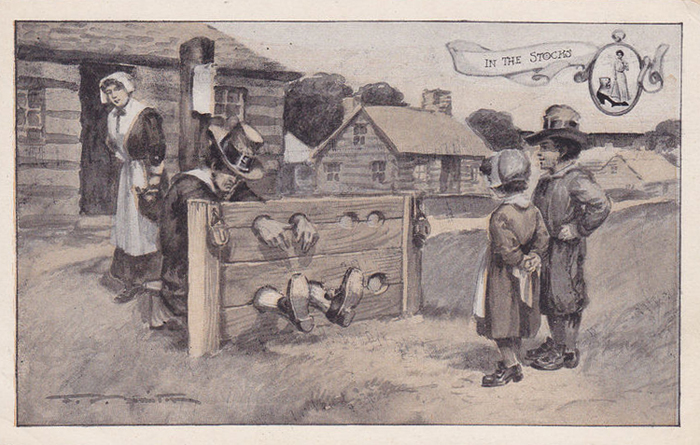
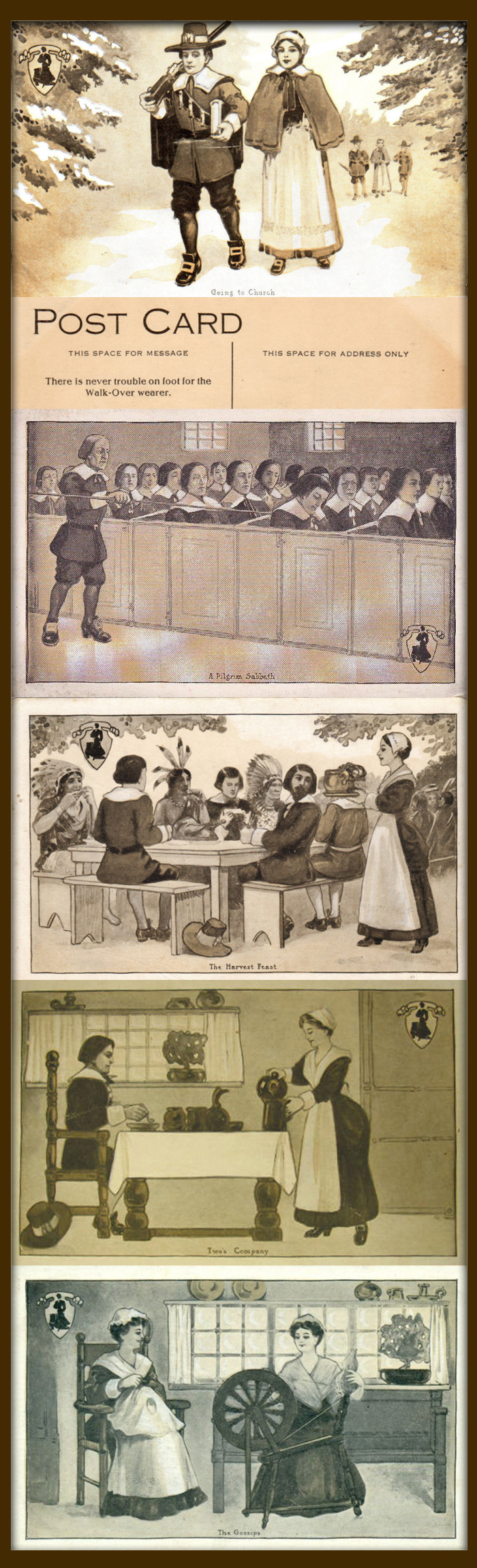
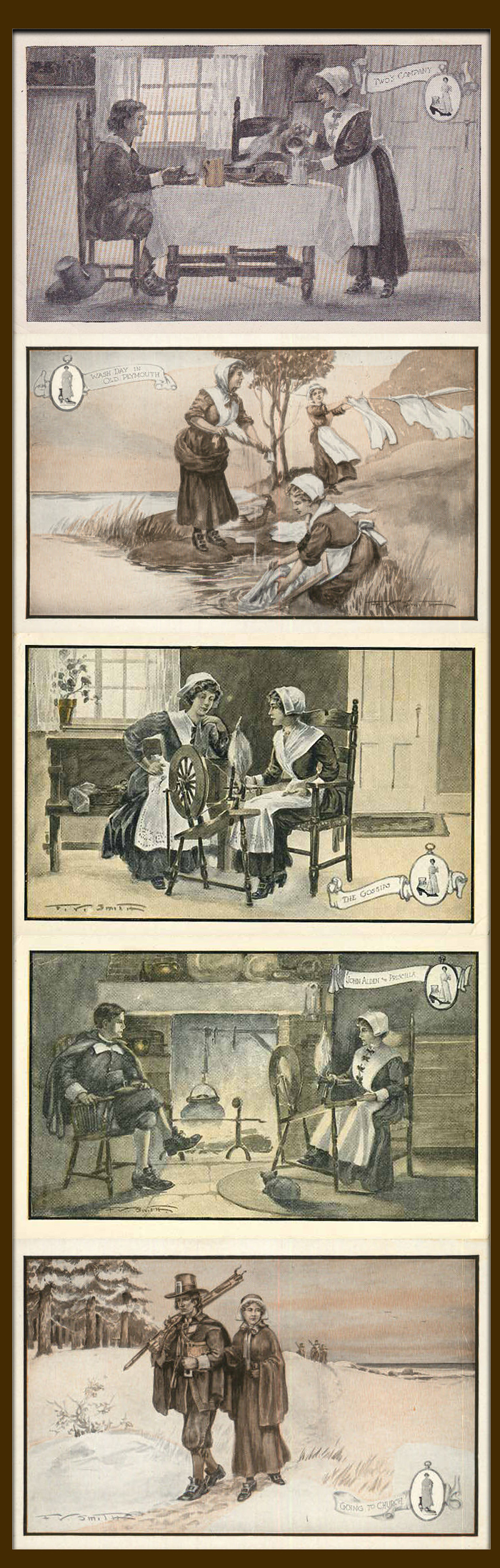
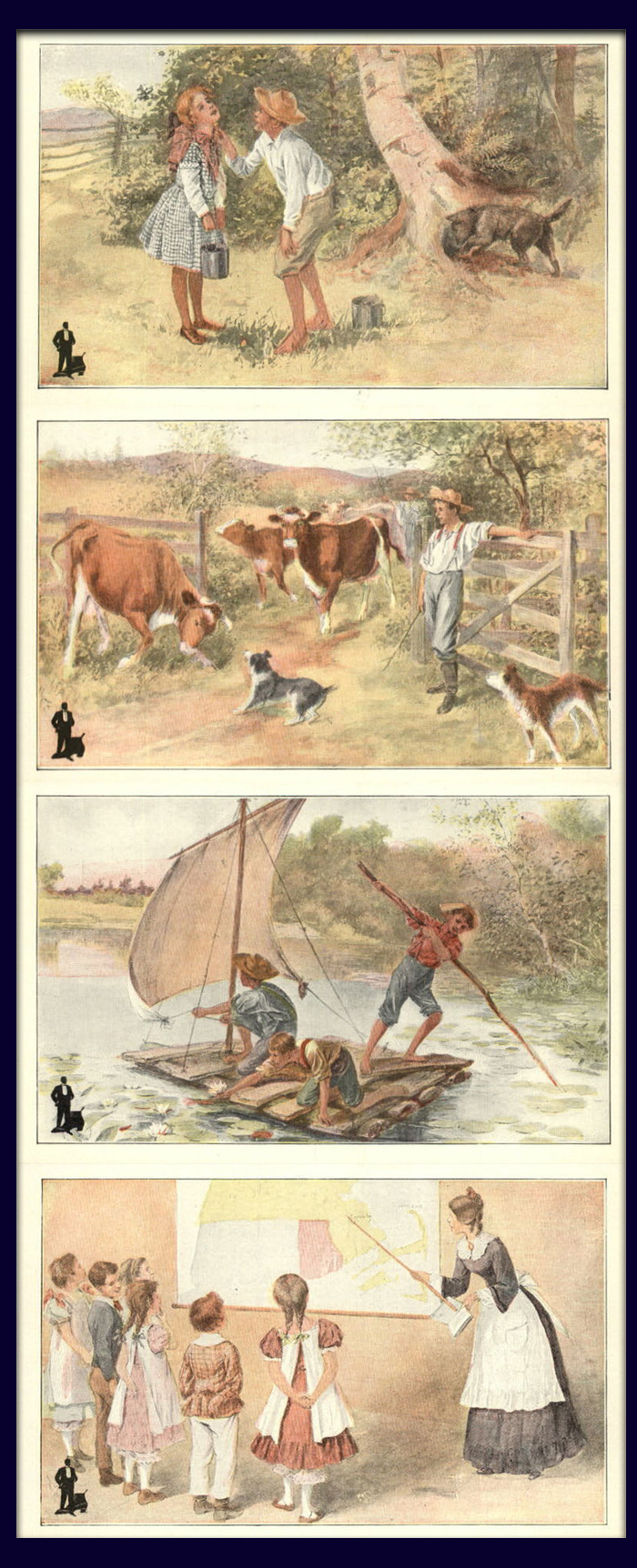
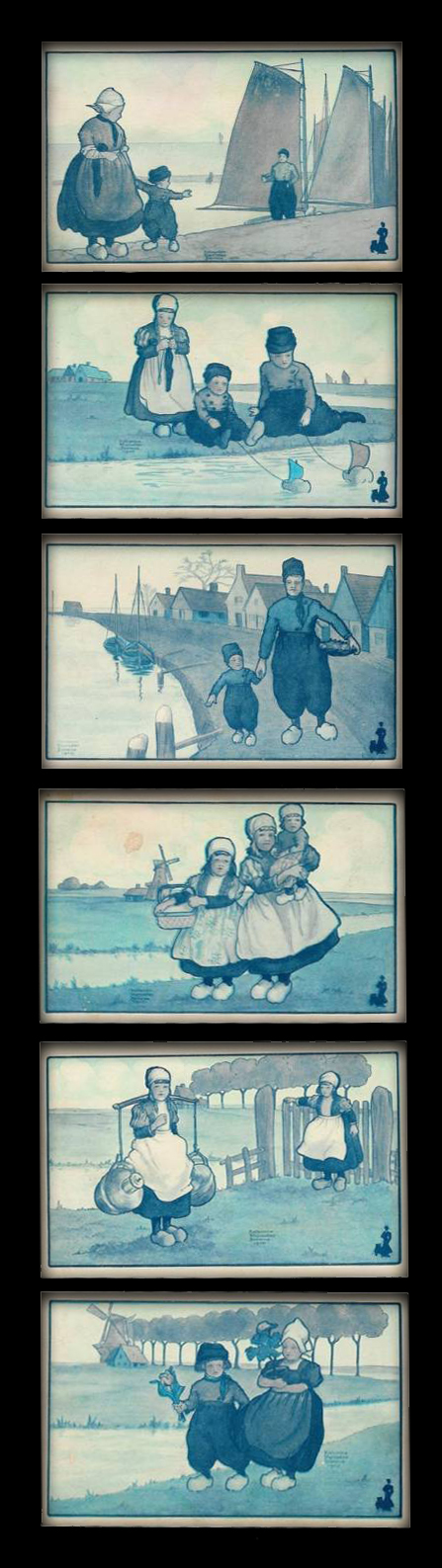
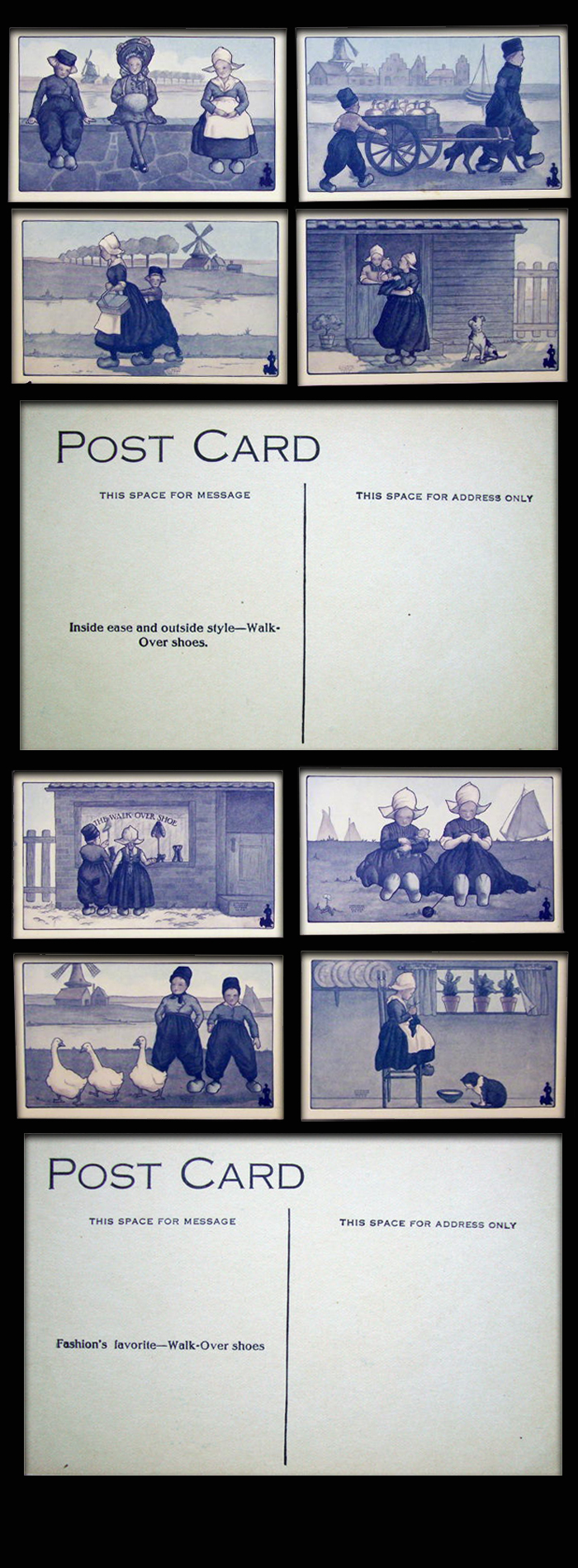
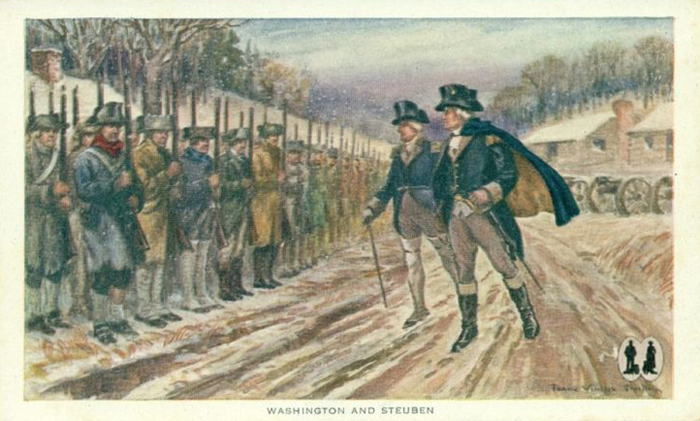
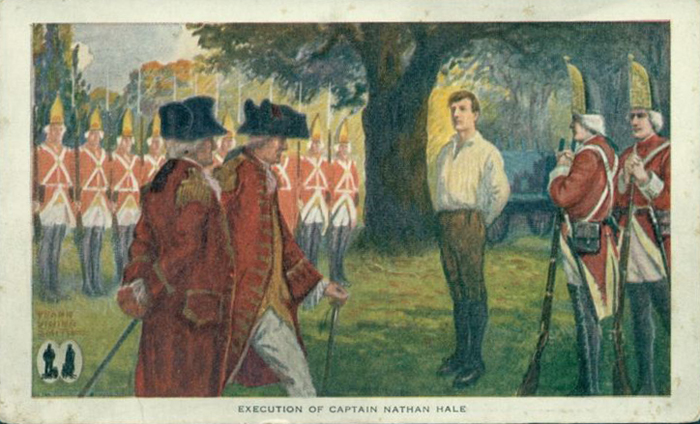
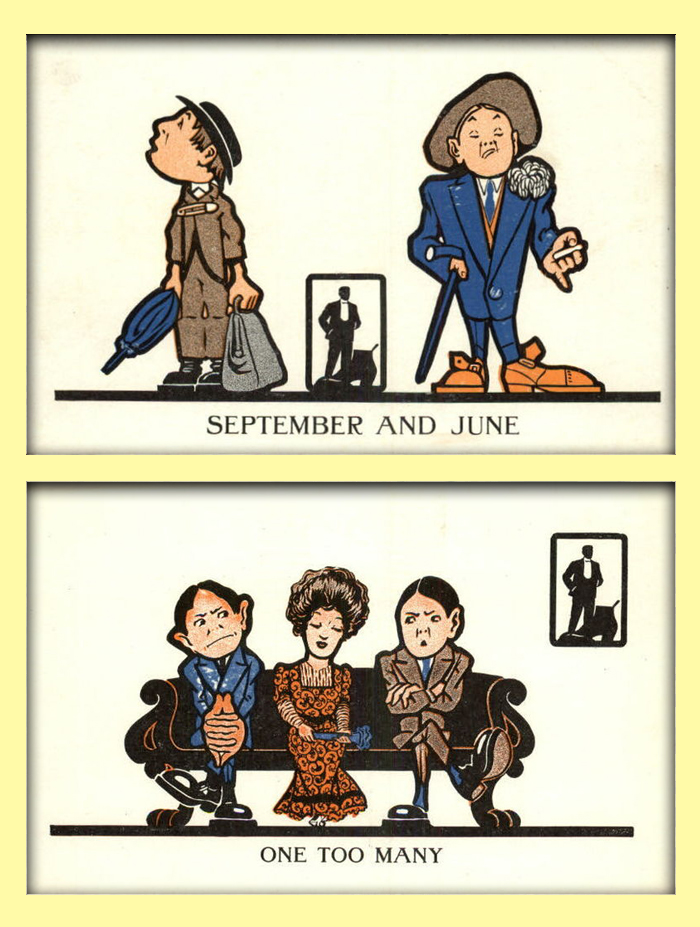
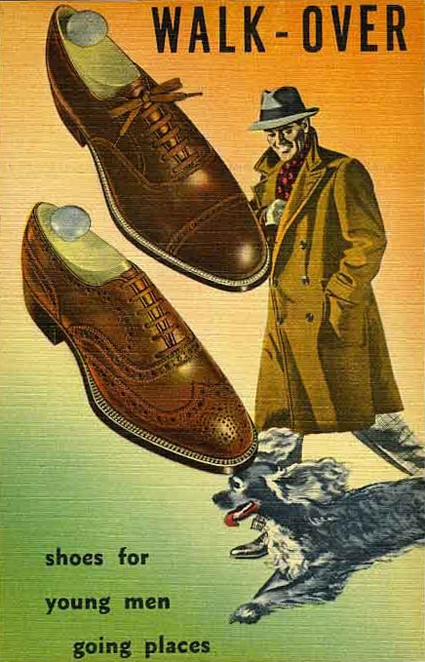
-

- on glass
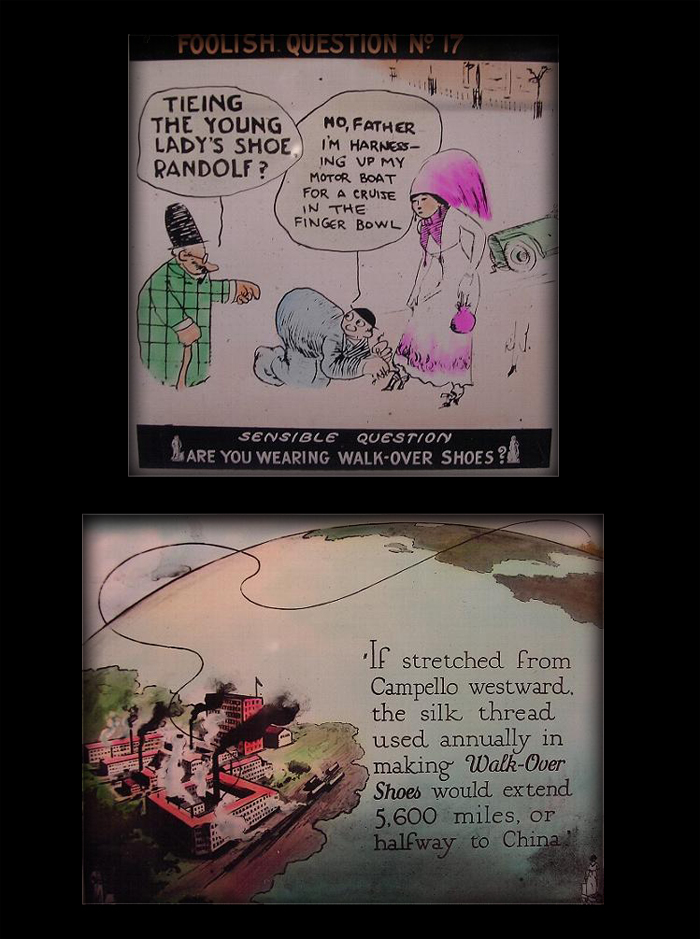

-
- on glass
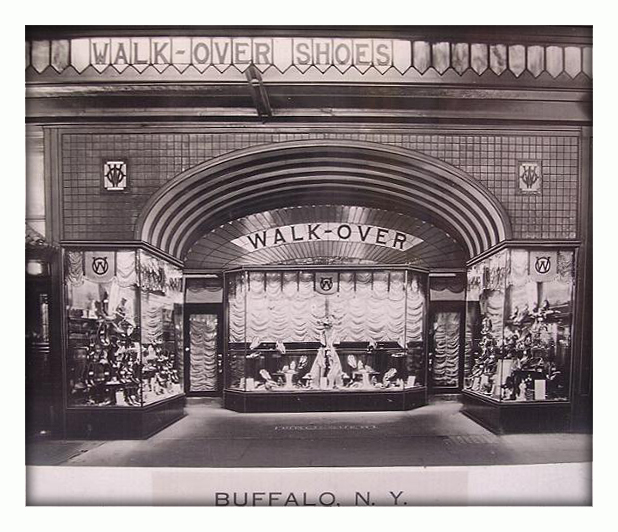
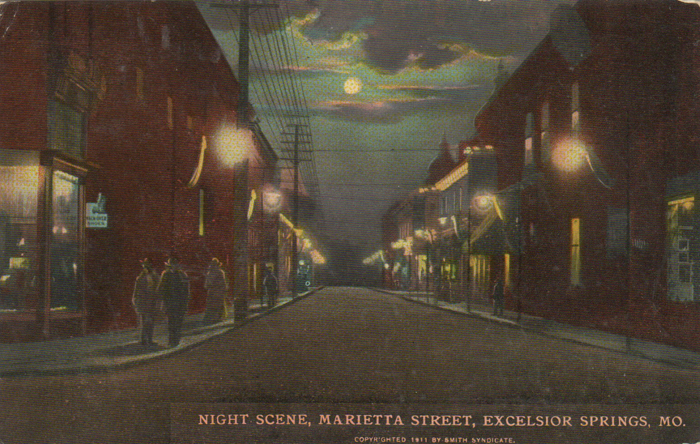
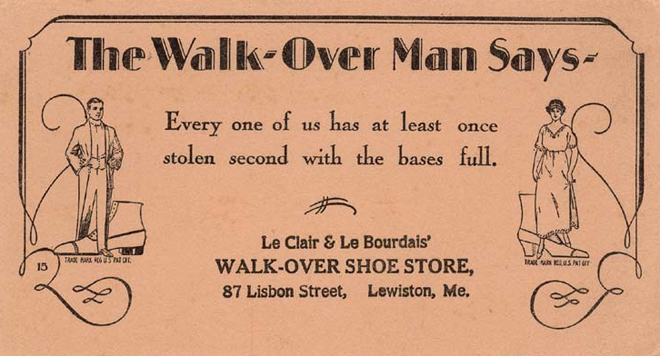
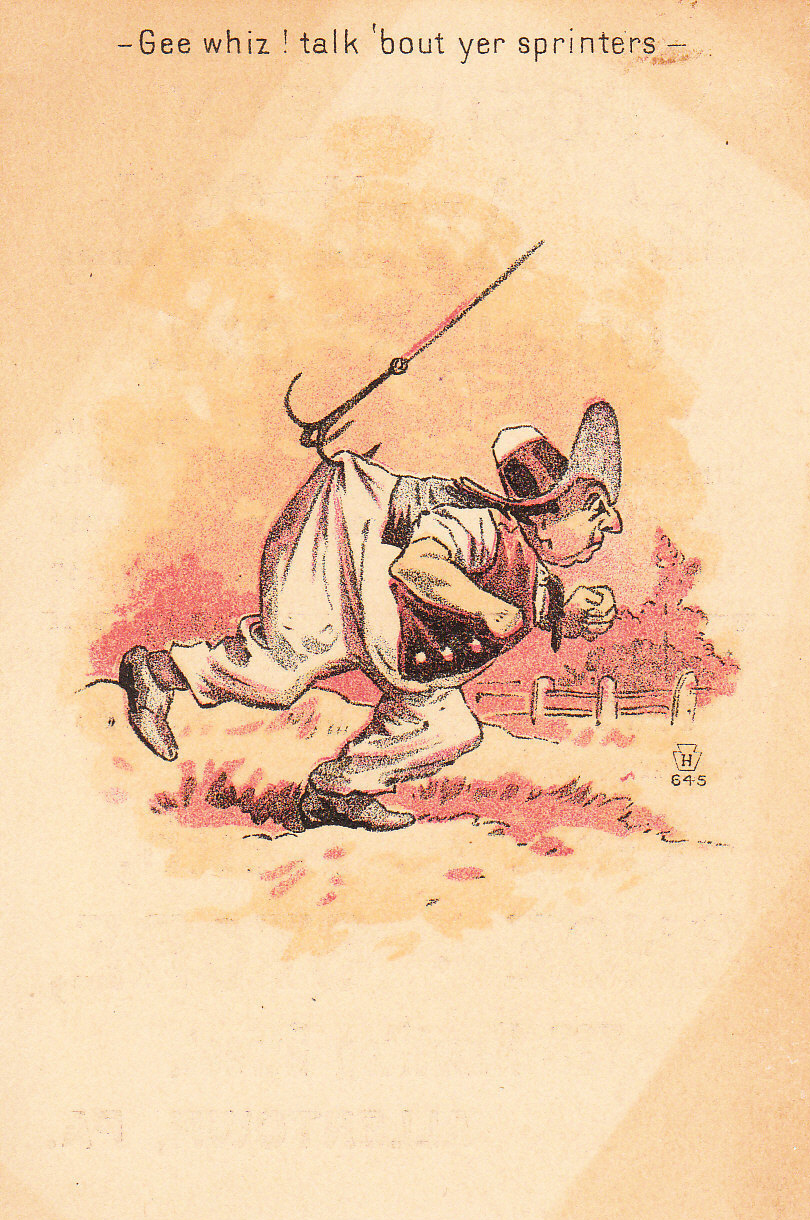

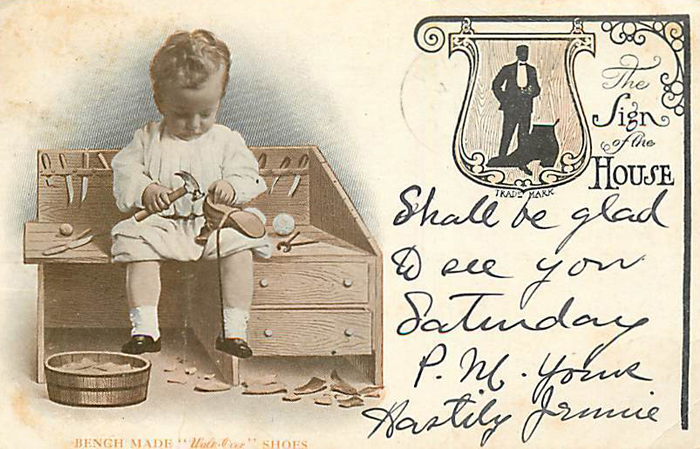
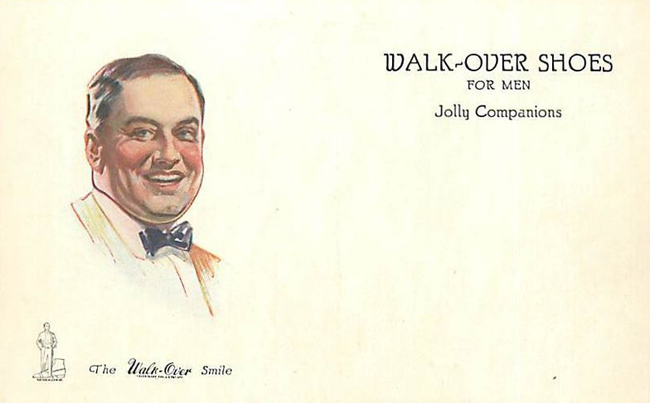
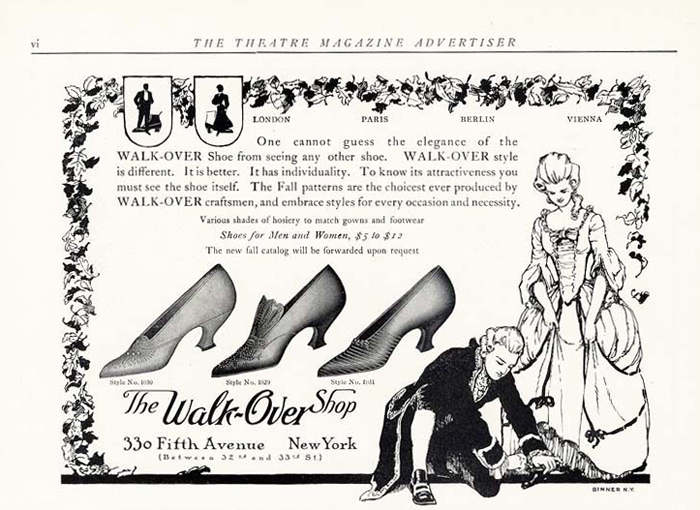
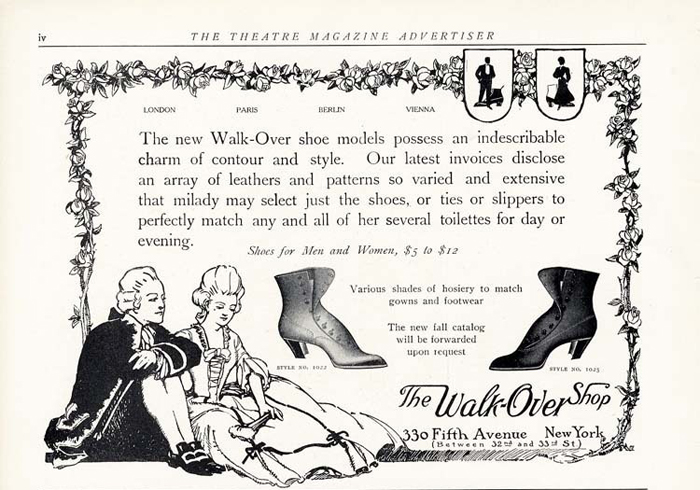
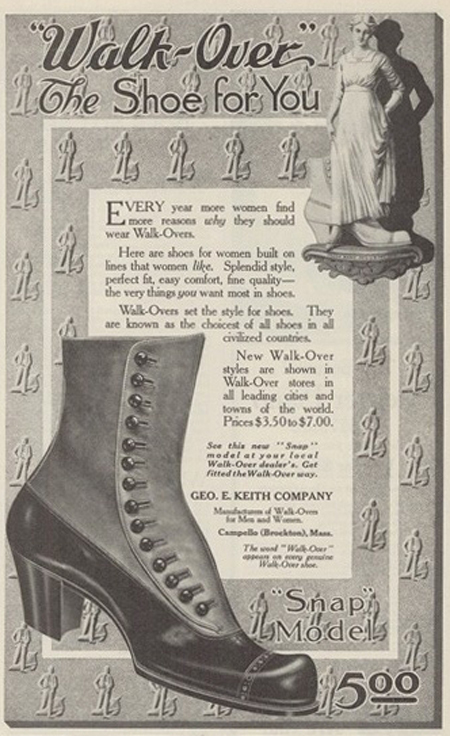
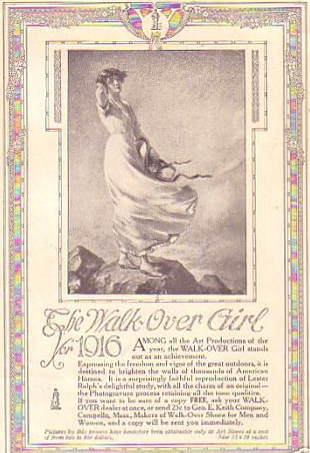
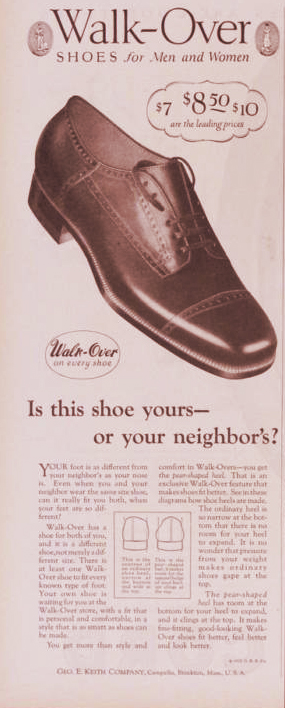
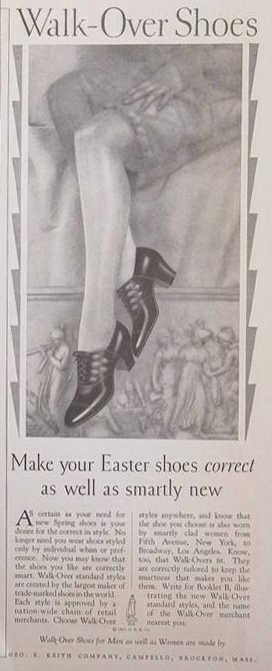
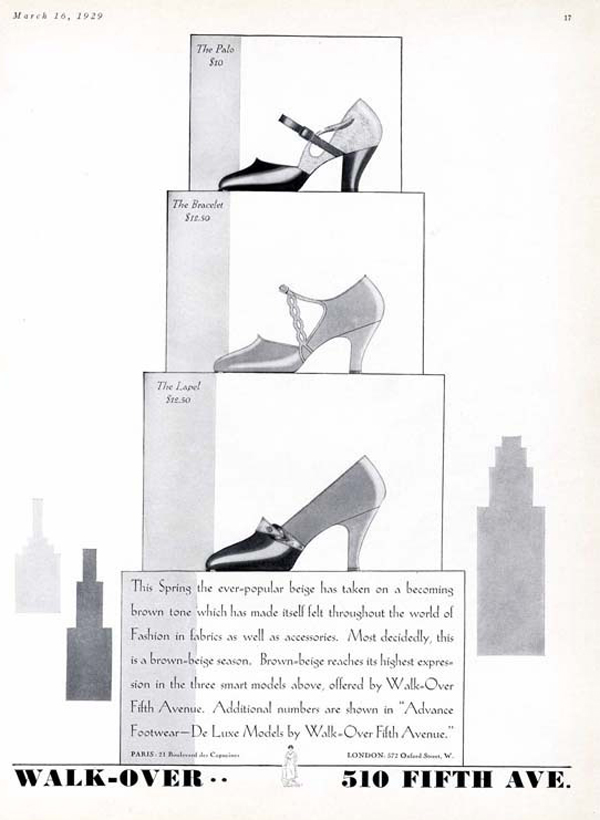
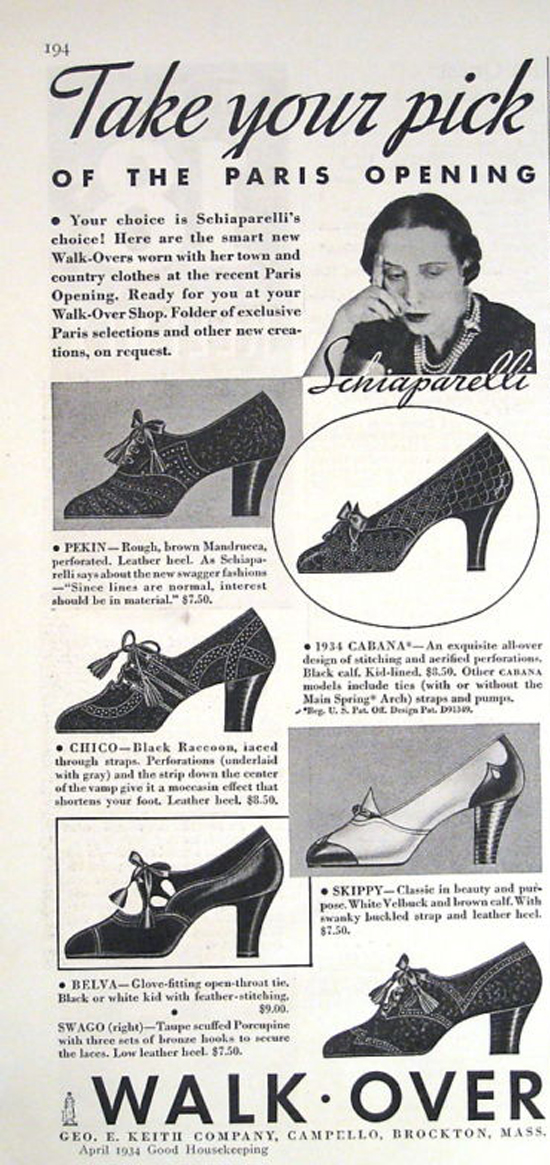
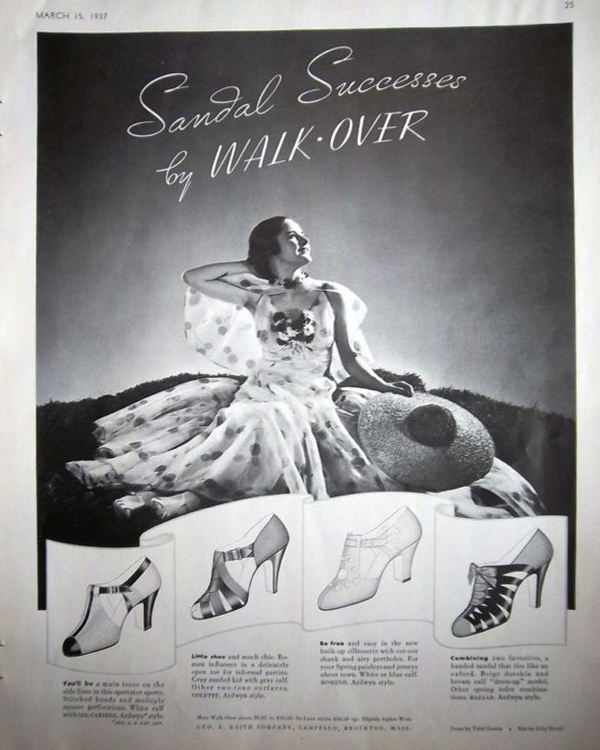
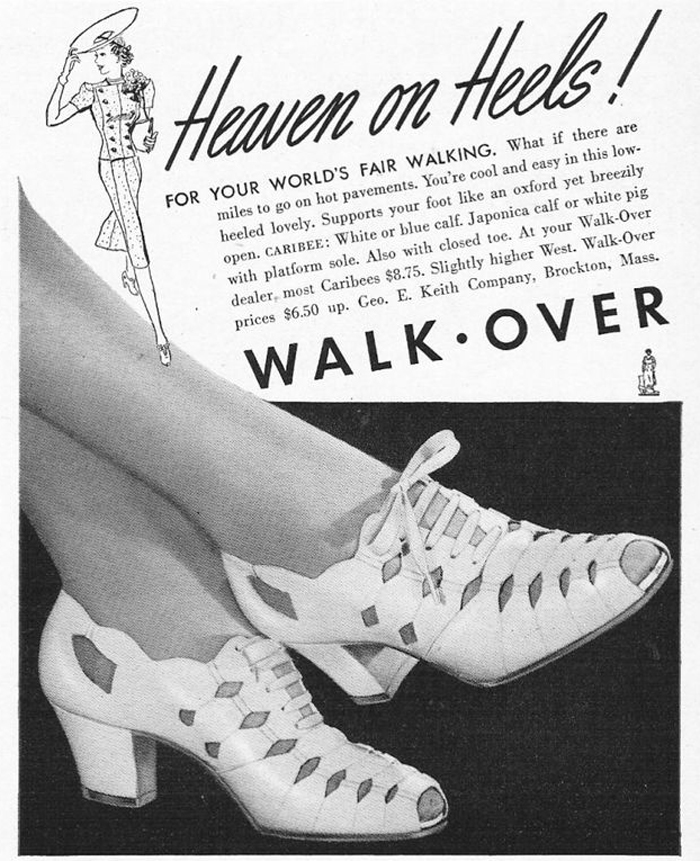
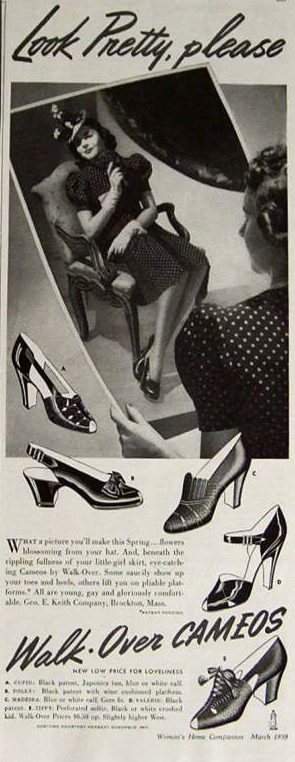
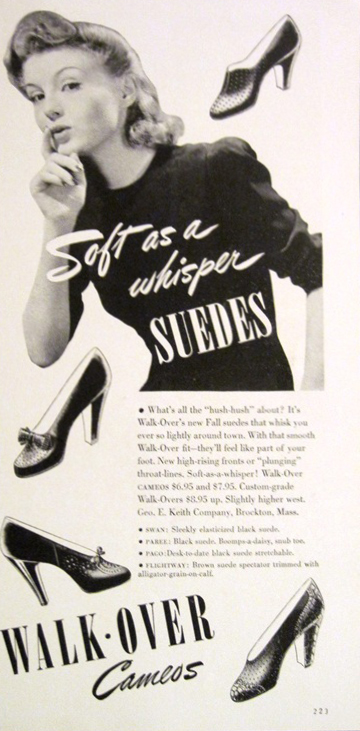
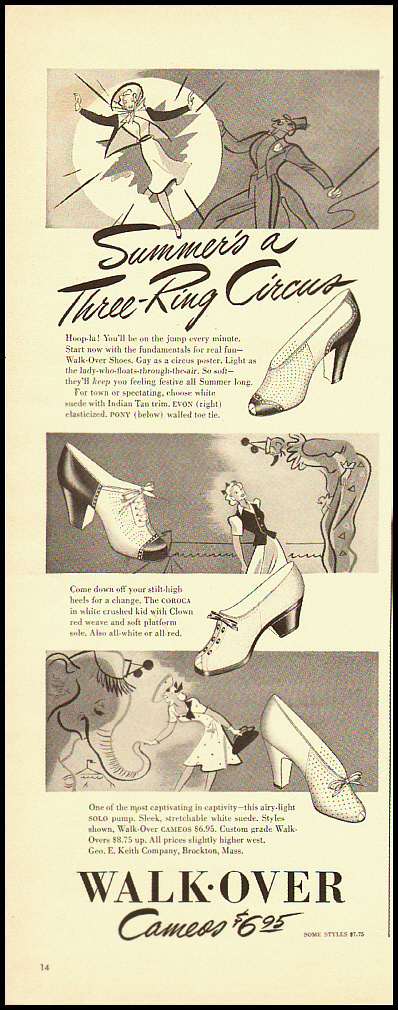
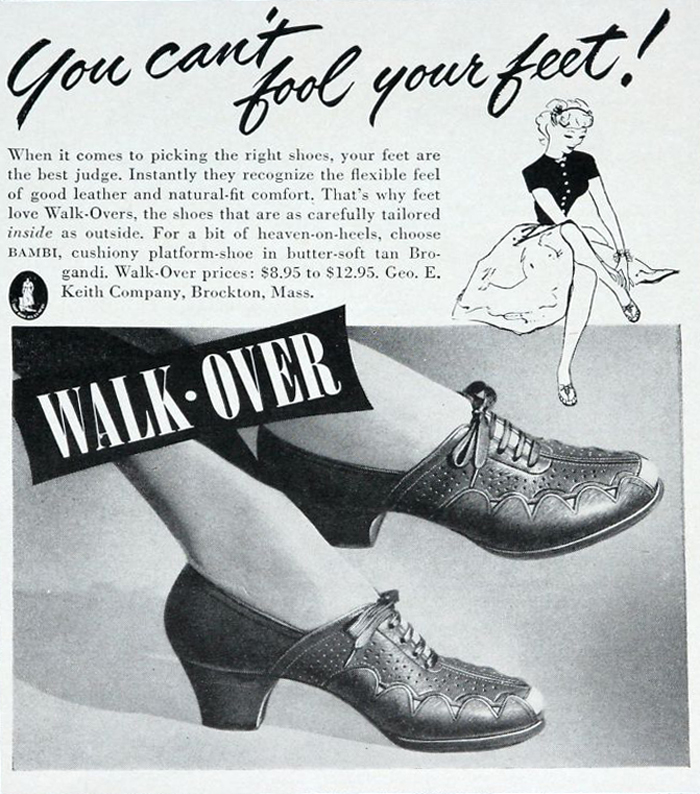
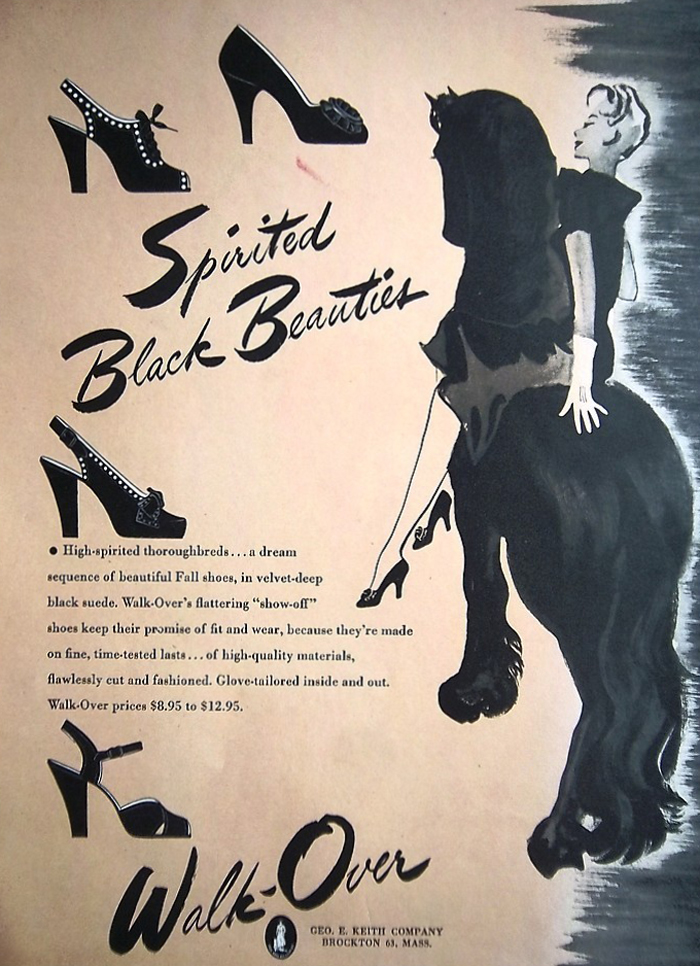
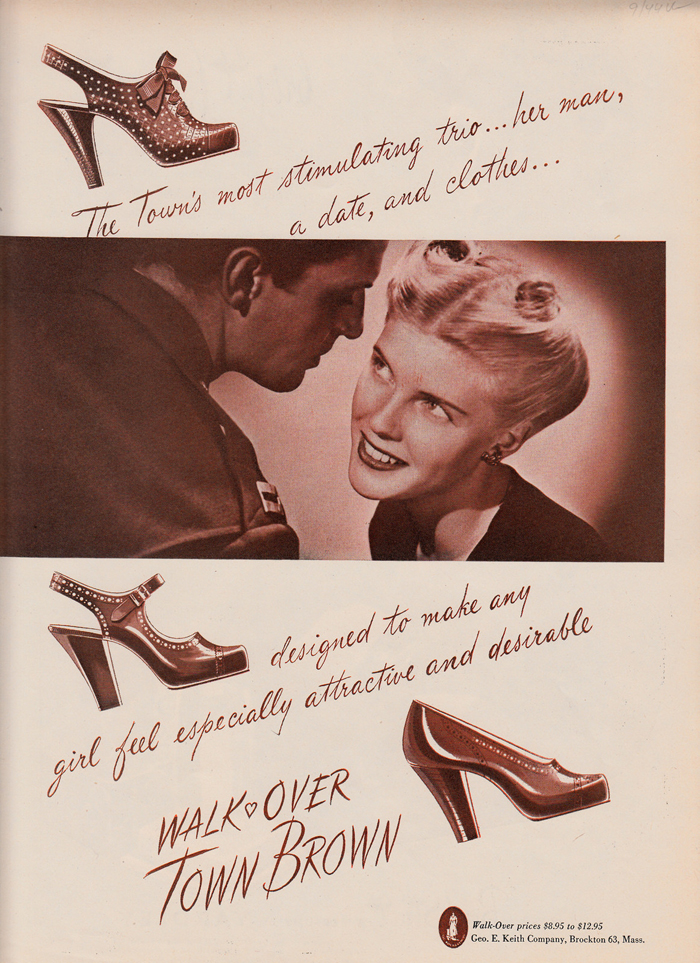
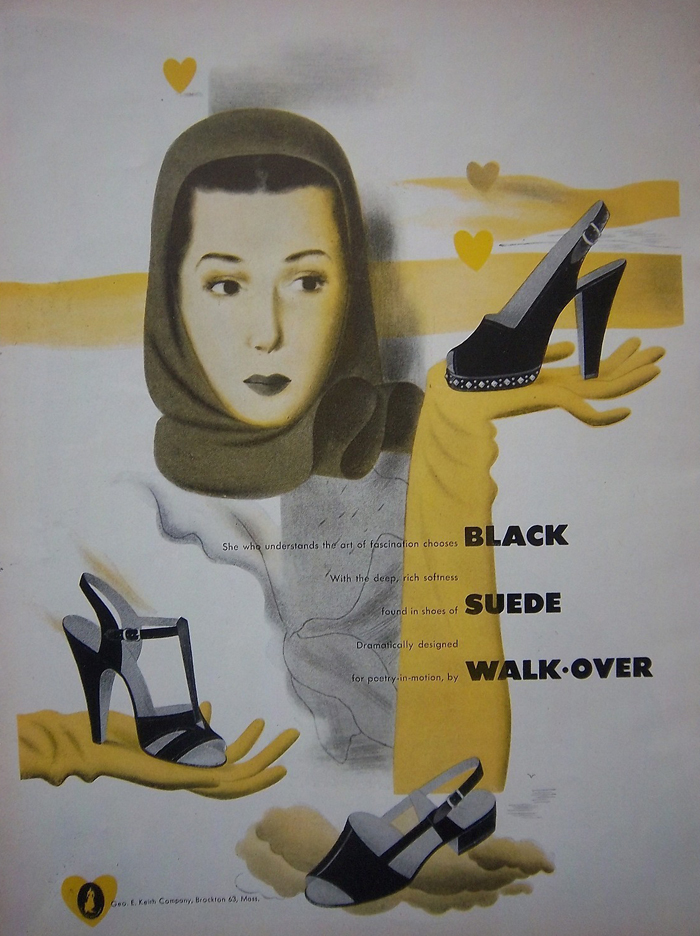
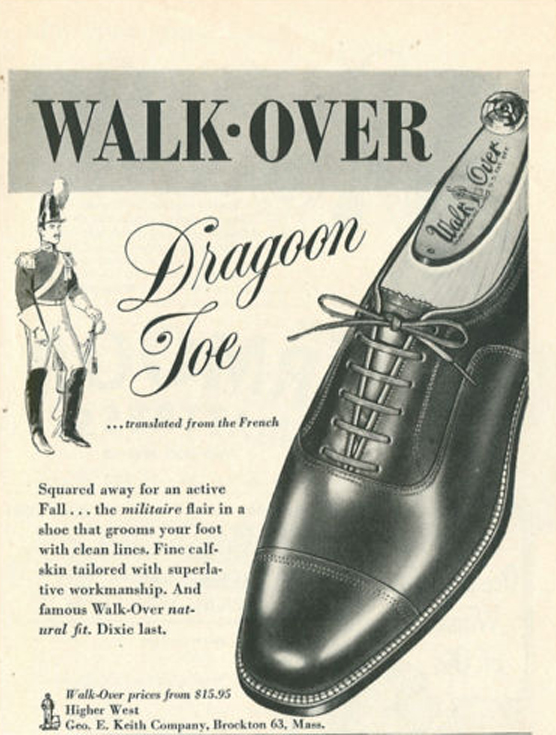
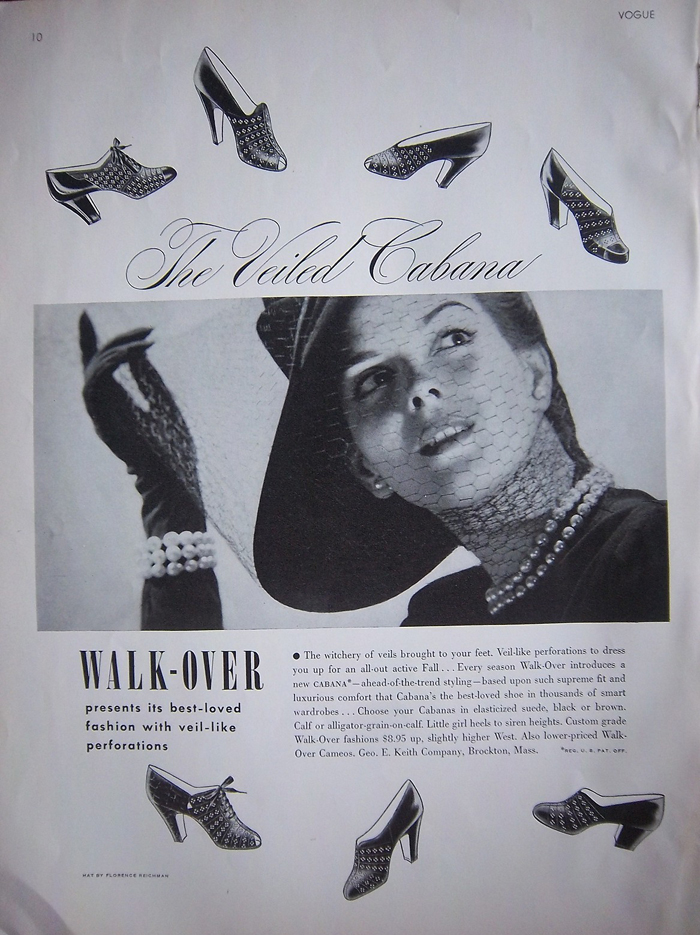
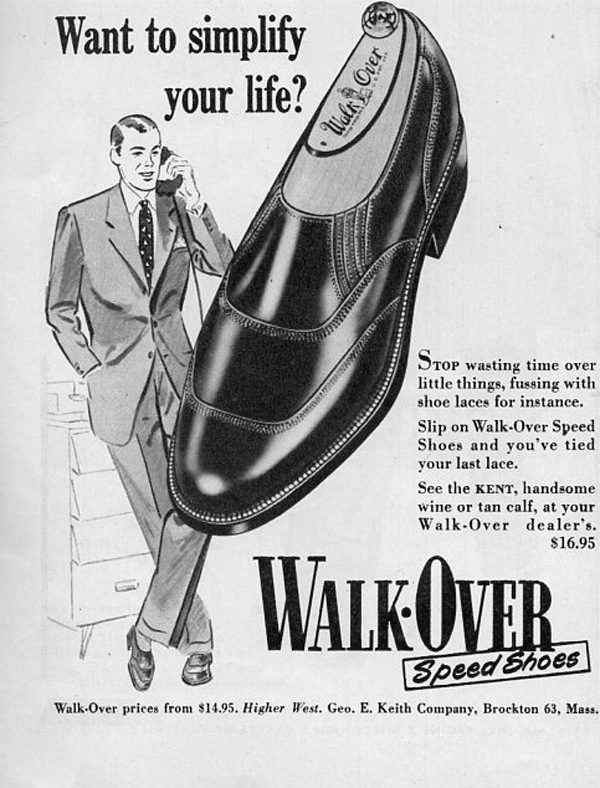
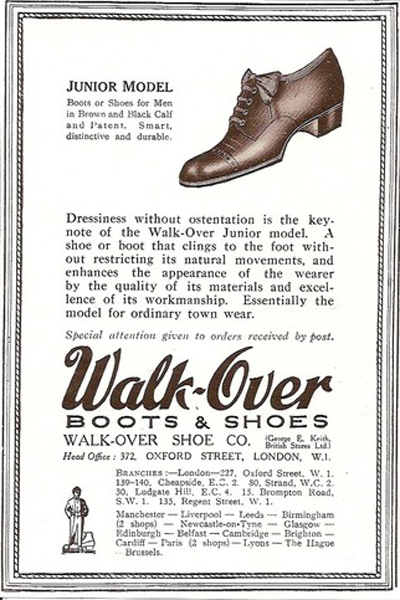
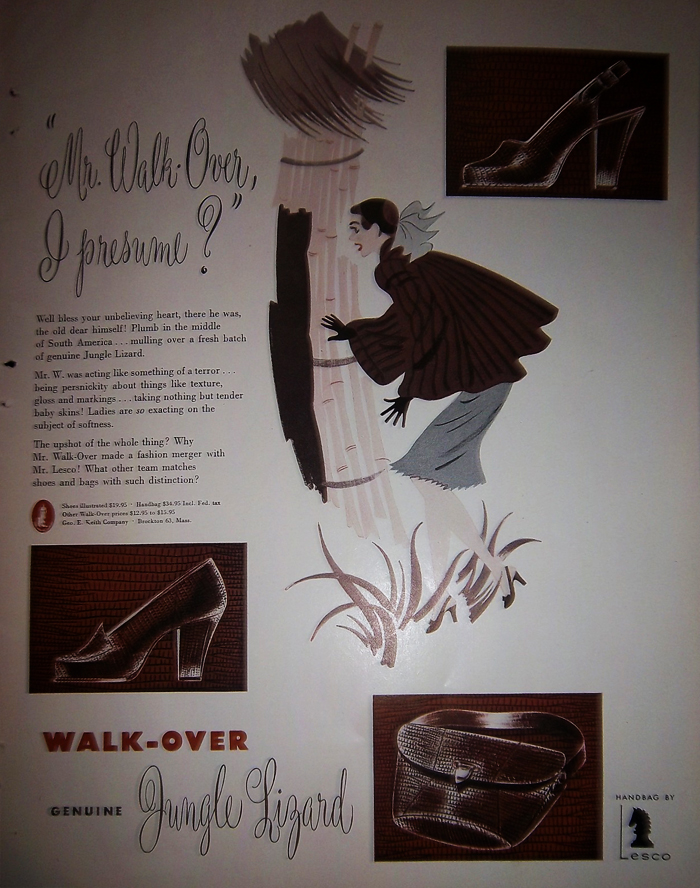
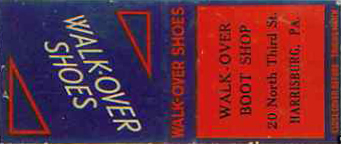
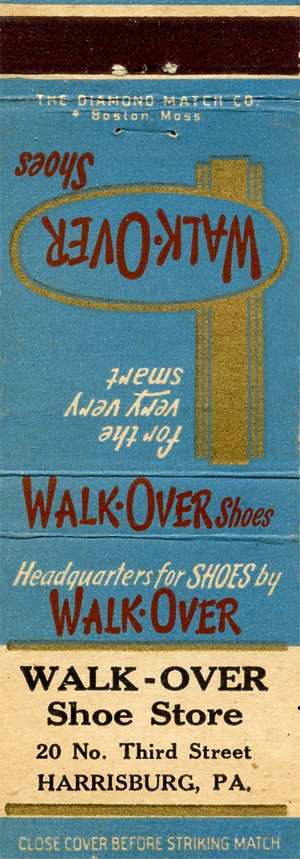
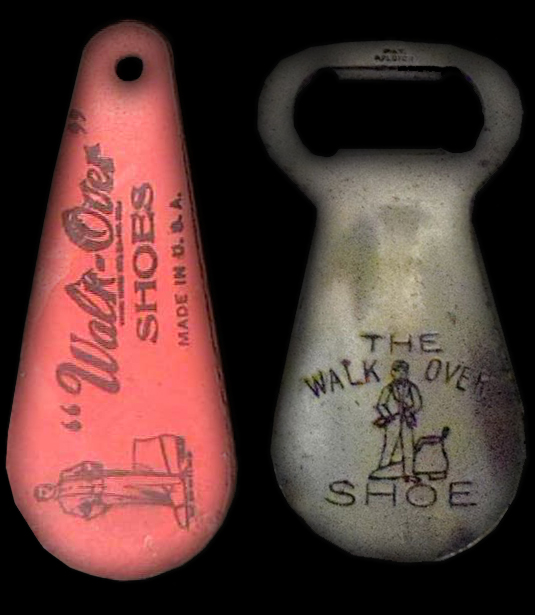
-
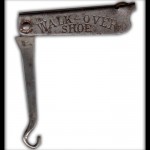
- Actual Size: 2 & 1/2 inches closed 4 & 7/8 inches opened completely
-
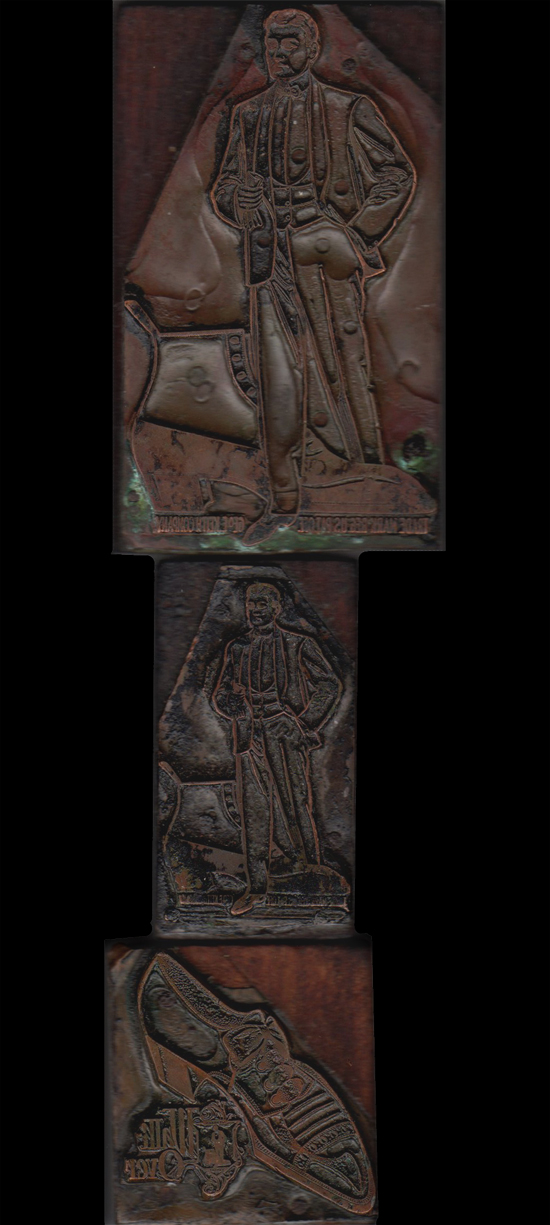
- Top Plate: 2″ x 3.25″ Middle Plate: 1.25″ x 2.25″ Bottom Plate: 1.6″ x 1.75″

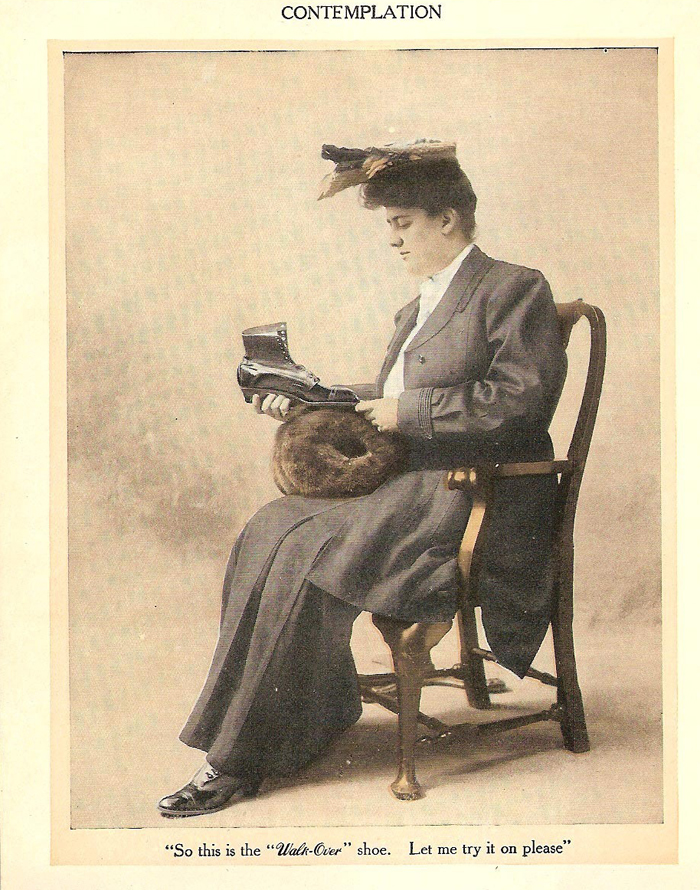
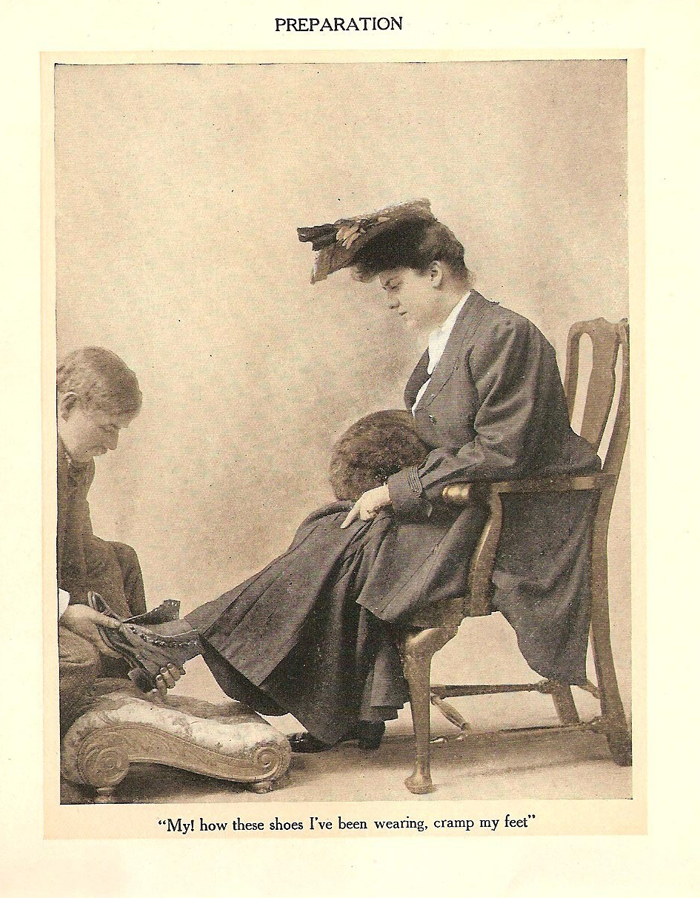
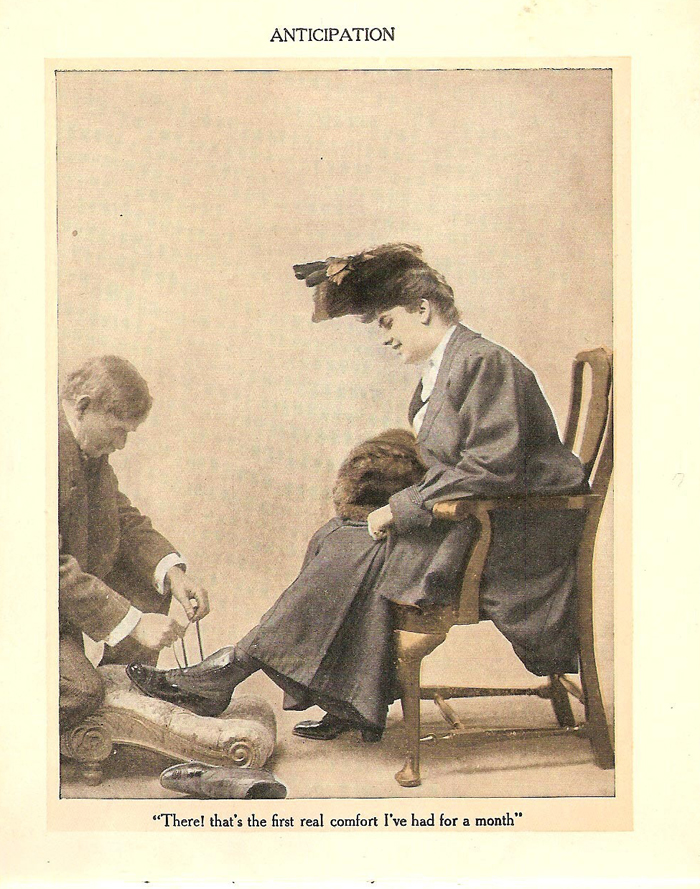
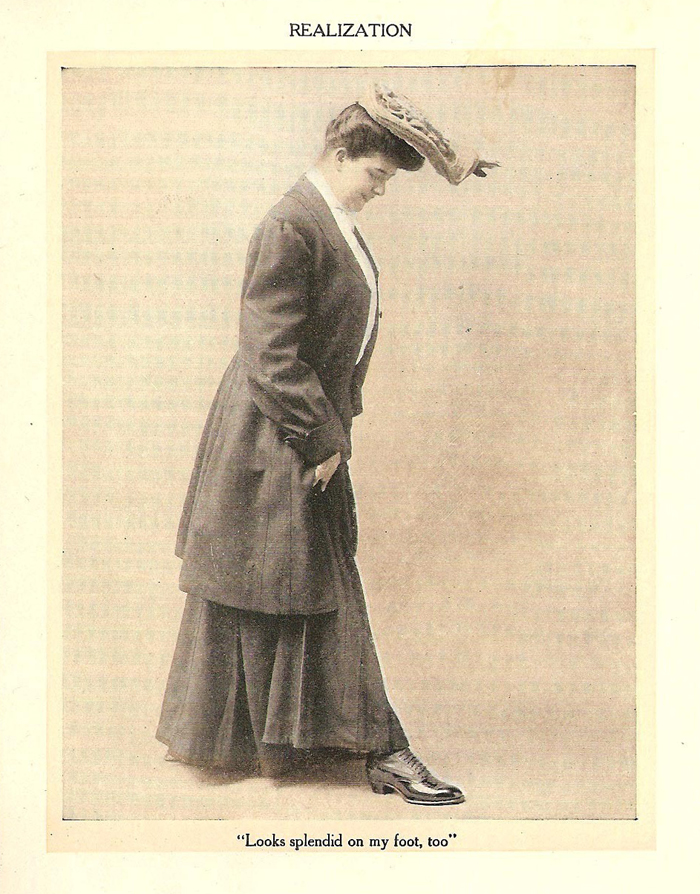
Hurricane Bob Hits Wareham, August 19th, 1991
- At September 24, 2011
- By J Harper
- In Disasters
- 0
A drive around town as the Hurricane picks up…
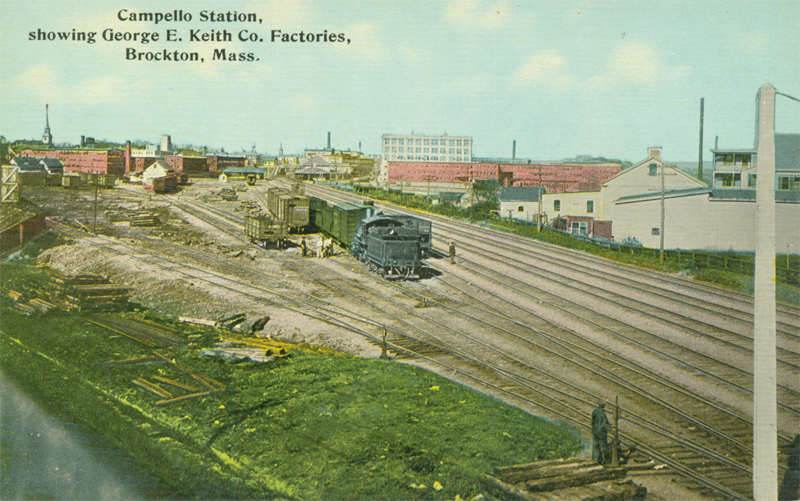

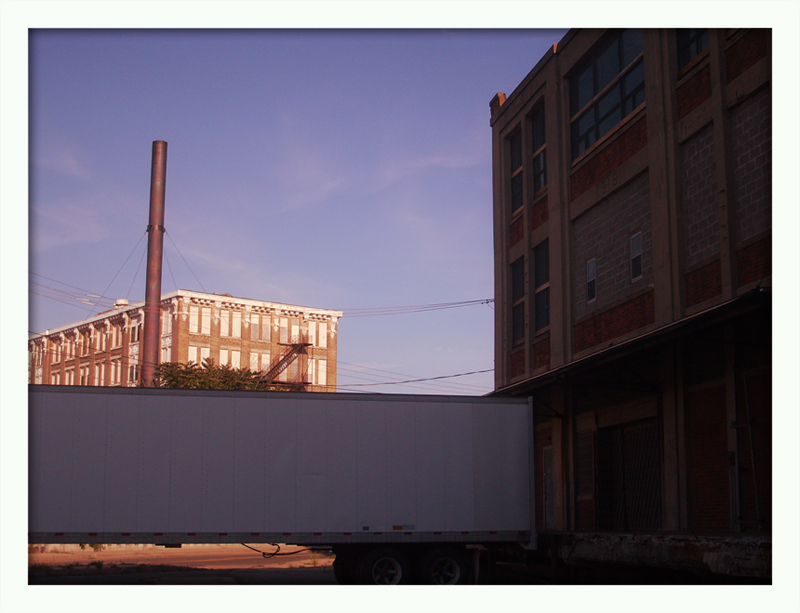
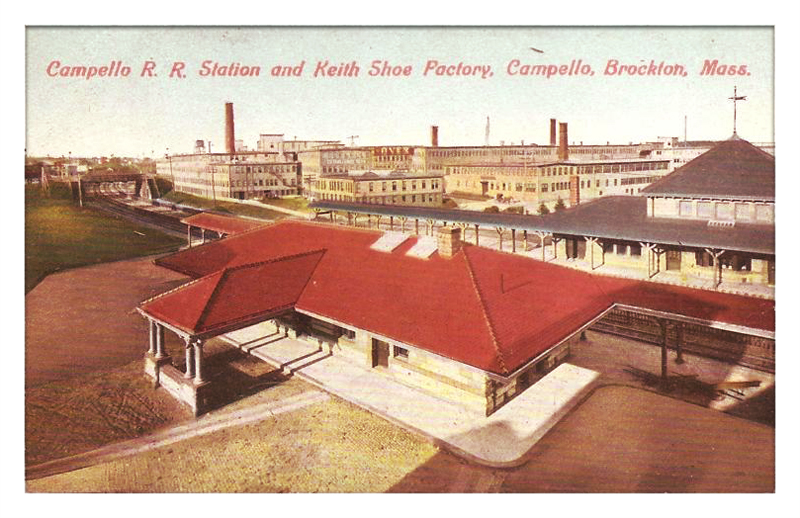
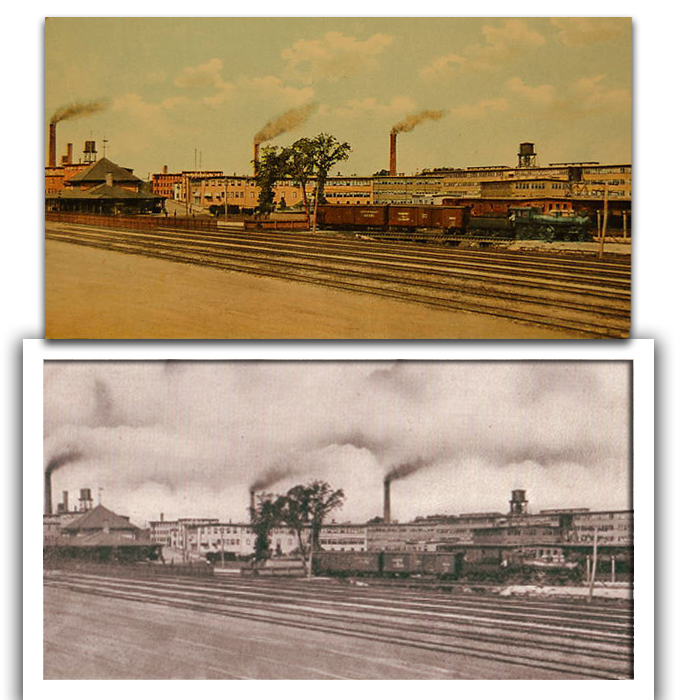
Advertisement Watch Key – Bridgewater
- At September 10, 2011
- By J Harper
- In Treasure Chest
- 0
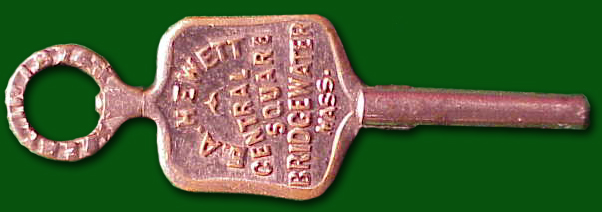
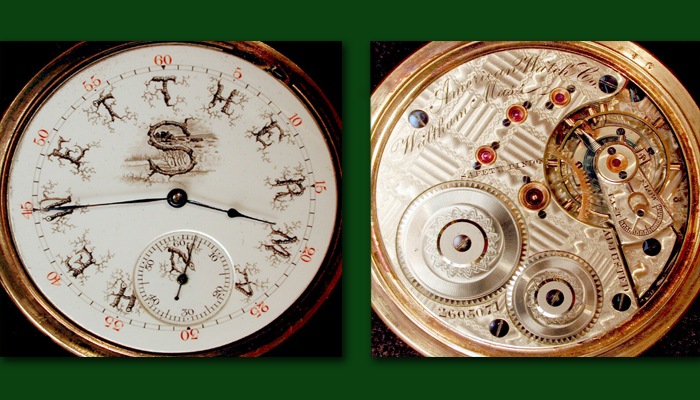
The story of this Watch Key begins with a man named Herman Hewett, born October 27, 1833 in Marshfield, MA. At 18 years of age, Herman went to Rockland, where he became an apprentice to Walter B. Gurney, a jeweler and watchmaker. From there he next went to North Bridgewater (currently Brockton), where he worked at his trade for David Studley for several years, then he to Taunton, Massachusettswhere he engaged in the jewelry business on his own account. He remained in Taunton for a short while, removing thence to Bridgewater, where he opened a jewelry store, and continued in business there until September, 1863, when he sold out the business to his brother, Edward Austin Hewett. He then returned to North Bridgewater, now Brockton, and established himself in the jewelry business, opening a store in the Tyler Cobb building at the corner of Main and High Streets, continuing at that location for a few years, when he removed to the Henry L. Bryant building, known as the Old Opera House block, where he carried on business for some years. Finally he leased a piece of land at the corner of Main and West Elm streets, of Henry Cross, and there erected a building to which he removed his business, and where he continued successfully engaged until his death. He was the first in the town to have a street clock, which was lighted by an oil lamp, and was considered the standard timekeep of the town for many years.
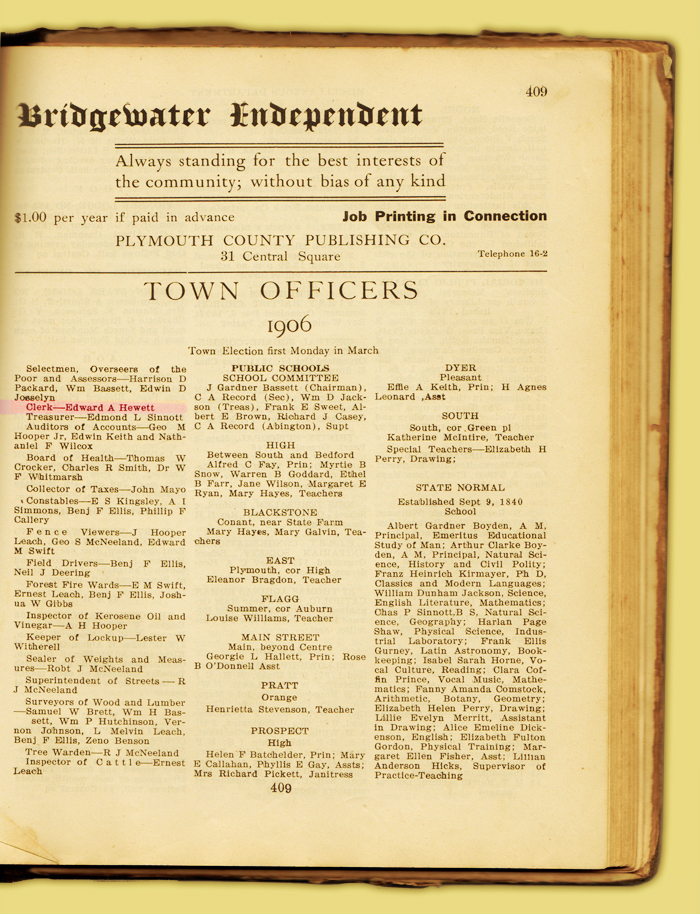
from Brockton and Bridgewater Mass Directory of 1906
Edward A Hewett was born in Marshfield on March 30, 1840. Years after purchasing the jewelry shop on Central Square, Bridgewater, he became Town Clerk and took part in the Proceedings of the 250th Anniversary of Old Bridgewater (West Bridgewater, East Bridgewater, Bridgewater & North Bridgewater (Brockton).)
Herman Hewett’s name is familiar amongst serious pocket watch collectors as being the man who’s name appears on a run of The American Watch Company of Waltham’s 1872 collection.